
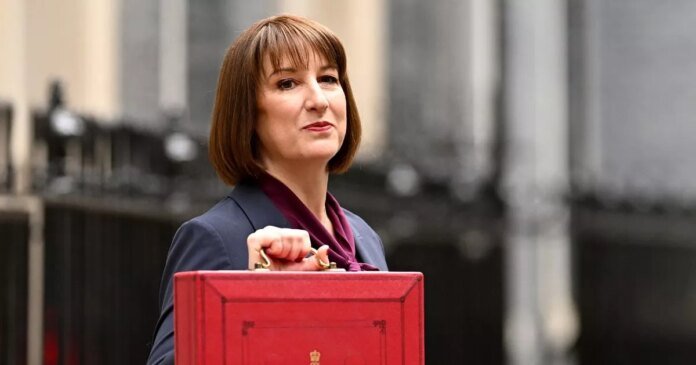
Chancellor Rachel Reeves is gearing up for a crucial Budget announcement next week. Speculation has been rife concerning potential tax adjustments to address a significant deficit in public finances and adhere to stringent expenditure guidelines. In a recent address prior to the Budget, Reeves hinted at the possibility of tax increases, emphasizing the collective responsibility of citizens.
Recent discussions between Keir Starmer and Chancellor Reeves have revolved around a previously unthinkable scenario of potentially breaking Labour’s pledge against raising income tax. However, improved forecasts received last week from the Office for Budget Responsibility have reduced the projected deficit to around £20 billion, a somewhat more optimistic outlook compared to initial fears of £30 billion to £40 billion.
The upcoming Budget presentation scheduled for November 26 will be closely watched for its content. Labour’s manifesto commitment to avoid VAT, national insurance, and income tax hikes for the working population has been a focal point. Despite earlier considerations of increasing income tax for the first time in almost five decades, recent positive financial projections have led to a reevaluation of these plans.
Reeves is contemplating extending the freeze on income tax thresholds for an additional two years, originally set to conclude in 2028. This potential move, criticized as a stealth tax, could result in more individuals reaching higher tax brackets as their incomes rise. Additionally, adjustments to the minimum wage, currently estimated at £12.21 for workers over 21 and £10 for those aged 18 to 20, are expected. A proposed increase to around £12.70 from April 2026, representing a 4% rise, is under consideration.
A key focus for Keir Starmer is reducing the cost of living for struggling individuals. Measures to alleviate household energy expenses, such as eliminating VAT on energy bills which currently stands at 5%, are being explored. This initiative could potentially save consumers an average of £80 annually, albeit at an estimated cost exceeding £2 billion.
Calls from charities and Labour MPs to abolish the two-child benefit limit, a longstanding austerity policy, have gained traction. Chancellor Reeves hinted at the possibility of scrapping this limit entirely during the upcoming Budget to address child poverty concerns. Suggestions to increase gambling taxes to fund this change have been proposed by former Prime Minister Gordon Brown.
The anticipated Budget is also expected to address the rise in state pension, following the triple lock mechanism. Adjustments to pension contribution schemes, including a proposed yearly cap of £2,000 on pension savings through salary sacrifice programs, are being considered. Discussions around potential taxation modifications, such as introducing new levies on high-value properties in specific bands, are ongoing.
Potential revisions to tobacco and alcohol duties, tourist taxes, and fuel levies are also on the agenda. The Chancellor faces the delicate task of balancing revenue generation while addressing public concerns and financial constraints. Speculation regarding a future levy on electric vehicle drivers adds to the complexity of the upcoming fiscal decisions.

