
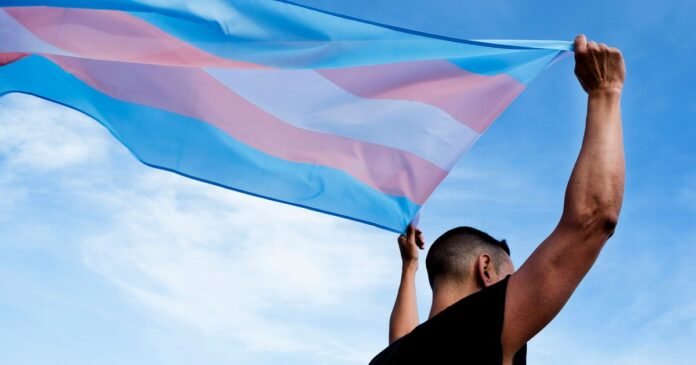
The issue surrounding transgender rights is fundamentally a matter of human rights. The well-being, equality, and mere existence of transgender individuals should not be reduced to a mere topic of debate or scrutiny for others to decide their stance on. It is essential to acknowledge that any compassionate and decent individual would not undermine or challenge another person’s right to livelihood and existence.
Recent reports from The Times revealed that Bridget Phillipson, the Minister for Women and Equalities, received guidance from the Equality and Human Rights Commission (EHRC) regarding the treatment of ‘single sex spaces.’ The guidance suggests that transgender individuals might face exclusion from single-sex facilities based on their physical appearance, as outlined in new equalities guidelines obtained by The Times.
Defining womanhood solely based on physical attributes is a narrow perspective that fails to capture its true essence. Women are not defined by their biology alone, as demonstrated by past feminist movements advocating for autonomy over their bodies. The current focus on conforming to specific gender norms for access to gendered spaces reflects a regressive and restrictive societal approach.
The debate on who qualifies for certain spaces based on rigid gender constructs is not only harmful but also threatens the privacy and dignity of both transgender individuals and women. Such policing of single-sex spaces perpetuates a culture of suspicion and intrusion, eroding fundamental rights and respect for all individuals.
In response to the EHRC guidance, Phillipson emphasized the importance of ensuring access to single-sex provisions for women, particularly in critical services like domestic violence shelters and rape crisis centers. However, she also stressed the need to treat transgender individuals with dignity and respect, highlighting the delicate balance required in addressing these complex issues.
The recent UK Supreme Court ruling reaffirming ‘woman’ as a term tied to biological sex underlines the ongoing legal debates surrounding gender identity and rights. Despite being a minority group, individuals with different gender identities face significant challenges, including online harassment and discrimination, emphasizing the urgency of fostering inclusivity and understanding in society.
Actress Jameela Jamil criticized the disproportionate attention on a minority group while neglecting broader societal issues, highlighting the need to address systemic inequalities without scapegoating marginalized communities. Embracing diversity and inclusivity is vital for a thriving and compassionate society, rejecting fear-mongering and discrimination in favor of unity and empathy.

