
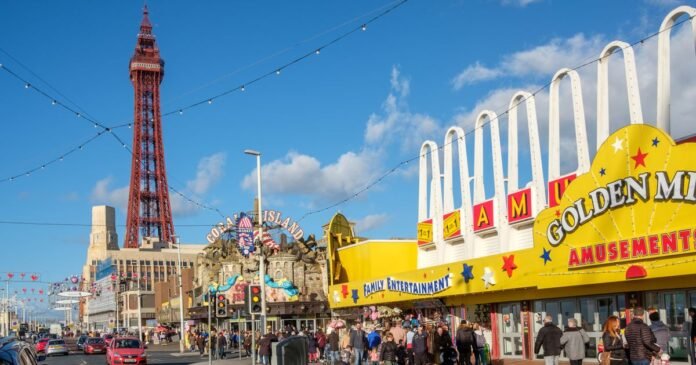
Seaside arcades in Britain are facing a potential threat of closure if gaming taxes are increased, according to industry leaders. They warn that a proposed hike from 20% to 50% in slot machine duty could have devastating effects on all 400 venues, potentially leading to closures that would significantly impact coastal towns. In addition to seaside arcades, high street gaming centers, pubs, and working men’s clubs with fruit machines could also suffer financial losses.
The gaming industry is pushing back against proposed tax increases that are being considered for the upcoming Budget. Former Labour Prime Minister Gordon Brown has supported suggestions by the Institute for Public Policy Research to target the perceived undertaxed gambling industry, aiming to raise £3.2 billion to address child poverty issues. Concerns have been raised that efforts to combat gambling addiction, particularly online, may inadvertently harm other traditional forms of betting that have been enjoyed for generations, with the horseracing industry expressing worries about potential impacts on prize money and sponsorship.
Joseph Cullis, president of Bacta, the trade association for seaside arcades and adult gaming centers, emphasized the importance of maintaining the current 20% machine games duty to sustain these community-based businesses that contribute to local economies and tourism. He warned that doubling the tax would have severe consequences, jeopardizing jobs and the vibrancy of high streets and seaside towns. Operators in the industry fear the catastrophic effects of such a tax increase, with concerns about the viability of popular destinations like Blackpool.
The Institute for Public Policy Research has proposed various tax adjustments, including raising the remote gaming duty from 21% to 50%, potentially generating an additional £800 million annually. The machine games duty, which currently raises nearly £590 million, could see its rate increased from 20% to 50%, yielding an estimated £900 million per year. The general betting duty might also rise from 15% to 25%, potentially bringing in an extra £500 million, while excluding horse racing. The proposed changes do not affect bingo or lottery duties.
Critics argue that the gambling industry’s exemption from VAT provides an unfair advantage, with some operators reporting significant profits. However, concerns persist that increased taxes could impact the industry’s ability to contribute to prize money and sponsorships. While the proposals aim to address gambling harm and childhood poverty, industry insiders caution against inadvertently harming less addictive forms of gambling, suggesting that adjustments to specific duties may be necessary to strike a balance.
Industry stakeholders have raised concerns about potential closures of betting shops and the risk of players turning to unlicensed operators. However, critics argue that the black market risk is exaggerated, as licensed gambling firms must adhere to regulations in the UK. The ongoing debate underscores the complexities of balancing tax policies to address social issues while maintaining a thriving gambling sector.

