
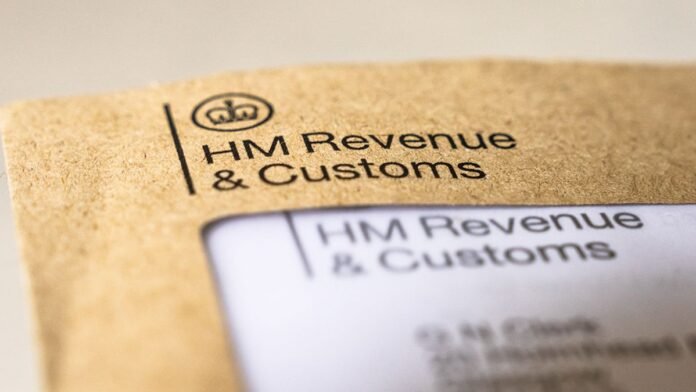
HMRC is set to eliminate paper letters for numerous taxpayers starting in April of the following year. This move aligns with HMRC’s “digital by default” strategy, which aims to achieve annual savings of £50 million by 2028/29.
The recent Budget announcement confirmed the phased commencement of the paper correspondence phase-out in April 2026. Going forward, taxpayers will receive digital letters through their HMRC online accounts or the HMRC app. However, households without internet access or facing difficulties with digital services will continue to receive written communications, with HMRC’s phone lines remaining operational.
Taxpayers who prefer paper letters will have the option to continue receiving them. The initial groups affected will include individuals already utilizing the HMRC app, online Personal Tax Account (PTA), or Business Tax Account (BTA).
HMRC will prompt individuals to verify their contact details when the rollout begins. The department sends letters for various reasons, such as notifying about tax code changes or self-assessment registration requirements.
In preparation for the upcoming changes, HMRC has sent out over 200,000 letters to sole traders and landlords with qualifying income exceeding £50,000. These individuals will soon be required to submit quarterly updates using HMRC-approved software if their turnover surpasses £50,000 from self-employment or property income.
While the rollout starts in April 2026, HMRC encourages early readiness. Taxpayers will need suitable software, with both free and paid options available. The software provides real-time tax bill estimates, aiding in cash flow planning and averting surprises during tax periods.
Craig Ogilvie, the Making Tax Digital director, emphasized the importance of preparing for the upcoming changes. Taxpayers are advised to adapt to the new system, which aims to distribute tax administration tasks throughout the year, reducing the last-minute rush during Self Assessment season. Feedback from testing participants indicates that the system is user-friendly with free software alternatives accessible.
Overall, these changes reflect HMRC’s commitment to modernizing tax processes and enhancing efficiency for taxpayers.

