
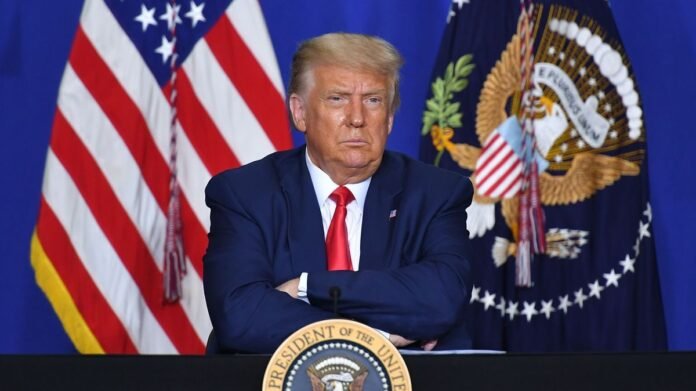
In a surprising turn of events, President Donald Trump has informed eight European allies of his intention to levy tariffs of up to 25% on all imports from their countries unless they agree to sell Greenland to the United States. These additional tariffs would be on top of the existing 10% base tariff and any other applicable duties, following the pattern of his previous retaliatory tariff measures.
The UK and France took more than three hours to issue their responses to the threat, with the UK’s response coming shortly after France’s. Despite the delay, the inevitability of such a move was not unforeseen, as Trump had hinted at the possibility of tariffs during a recent White House event. The decision to send a military attache to Greenland the day before likely played a role in triggering this latest development.
However, attributing this situation solely to one decision would be oversimplifying it. Rather, it represents a culmination of a series of missteps, compromises, and a failure to fully grasp Trump’s tactics over the past year. The normalization of using tariffs as a tool for coercive diplomacy and turning a blind eye to aggressive actions have contributed to the current escalation.
President Trump’s announcement of imposing significant tariffs on the UK starting next month unless they comply with his Greenland demands has sparked a wave of criticism and concern among political figures and observers. The move has been denounced as reckless and detrimental to both countries’ economies.
Various figures, including Ed Davey and Kemi Badenoch, have condemned the proposed tariffs, highlighting the potential negative impact on businesses and the sovereignty of Greenland. Keir Starmer emphasized the importance of upholding Arctic security within NATO and expressed intent to address the issue directly with the US administration.
Meanwhile, Trump’s recent interactions with Nobel Peace Prizewinner Maria Corina Machado have raised eyebrows, with the controversial figure receiving her Nobel Prize in a peculiar manner. Trump’s actions and statements continue to draw scrutiny and criticism, as he embarks on a weekend trip to Florida amid escalating tensions on multiple fronts.
The President’s acknowledgment of Iran’s decision to cancel the execution of hundreds of political prisoners has added a new dimension to his foreign policy approach, signaling a potential shift in rhetoric towards Iran. However, concerns persist over the stability of the region and the global economy amid ongoing tensions and uncertainties.
As the geopolitical landscape continues to evolve, Trump’s actions and statements are closely monitored by allies and adversaries alike. The repercussions of his decisions reverberate globally, shaping international relations and diplomatic dynamics in an increasingly complex and interconnected world.

