
Tensions are escalating between Iran and the US as both nations increase their military preparedness, leading to heated exchanges on social media between Washington and Tehran.
The situation has raised concerns across the Middle East about potential US strikes and the targets of such attacks. However, the lack of clear objectives and detailed post-operation plans is a notable issue.
There are fears that the internal turmoil and violence in Iran could potentially result in terrorism spreading to the UK, seen as a softer target compared to the US.
Iran has urged the UN Security Council to intervene and halt any US military actions. Despite Trump’s shifting statements from threatening military action to addressing Iran’s nuclear program, uncertainty remains regarding the US’s next steps.
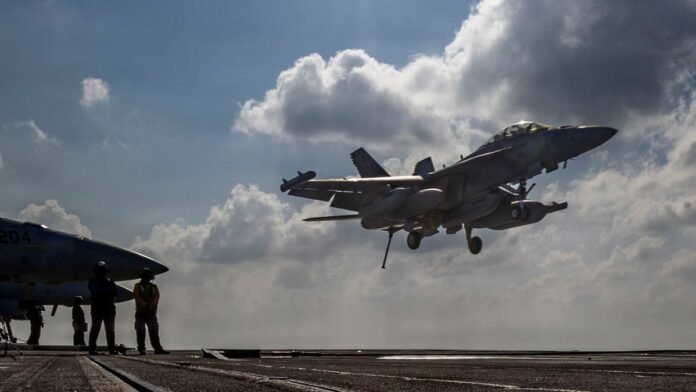
Recent intelligence reports suggest that previous US attacks on Iran delayed the country’s nuclear ambitions but did not completely eliminate the threat. As tensions continue to mount, both Iran and the US have deployed military assets in the region, increasing the risk of conflict.
Israeli sources suggest that the US may be considering regime change in Tehran, but the challenges of such a transition, particularly with the Iranian Revolutionary Guard Corps, are immense.
The potential consequences of a conflict with Iran are vast, with implications for global stability and the spread of terrorism far beyond the Middle East. The situation remains volatile, with both sides on edge and the potential for miscalculations high.

