
A group of five former chairs from a key wildlife advisory panel has issued an open letter expressing worries about potential amendments to the Species At Risk Act in Canada. They caution that these changes may result in the deliberate extinction of endangered species in the country. The legislation currently protects over 600 species, but proposed revisions could significantly weaken its effectiveness, as stated in a recent press release penned by the scientists.
The individuals, who previously led the Committee on the Status of Endangered Wildlife in Canada (COSEWIC), decided to release the letter to the public to raise awareness and prevent Canadians from unintentionally contributing to the extinction of Canadian wildlife species. The COSEWIC panel plays a crucial role in evaluating species at risk of extinction and advising on their legal protection status.
The concerns come at a time when the government is contemplating sweeping alterations to environmental regulations, including the Species At Risk Act. These changes aim to streamline the approval process for major projects, potentially bypassing critical assessments such as the jeopardy test, which safeguards endangered species and their habitats from harm that could threaten their survival.
One of the former COSEWIC chairs, David Green, a respected biologist and McGill University professor emeritus, criticized the proposed amendments, particularly the potential elimination of jeopardy tests. These tests act as a final safeguard against projects that could harm species protected under the law. Green emphasized their necessity in safeguarding species facing severe threats.
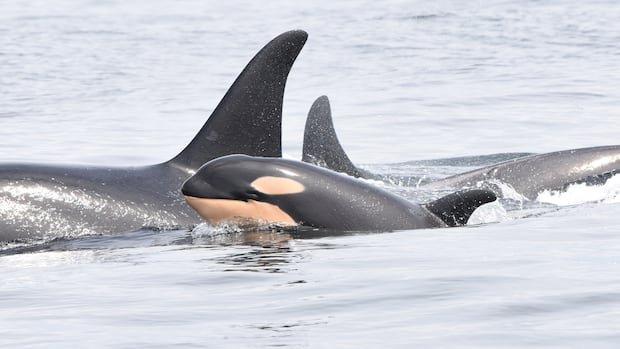
The suggested modifications would grant the government the authority to establish federal economic zones for fast-tracking industrial development approvals and pre-approving pipelines without comprehensive assessments, raising concerns among environmental experts. Notably, a new West Coast oil pipeline project, considered of national interest, has drawn significant attention due to its potential adverse impacts on species like the southern resident killer whale and Chinook salmon in the Salish Sea region.
Green expressed surprise at the government’s stance on these changes, highlighting the historical importance of the Species At Risk Act and the unexpected shift in policy direction. Experts like Kathryn Harrison, a UBC professor specializing in climate and energy politics, view these changes as setting a concerning precedent by granting the government wide-ranging powers to bypass existing environmental protections and expedite project approvals.
Despite the scientists’ open letter, the government has not yet responded publicly to the concerns raised. While the federal authorities assert their commitment to species conservation and legal obligations, the potential alterations are being framed as necessary for economic growth and trade diversification amid ongoing international trade tensions.
As the government faces pressure from various stakeholders, including Indigenous groups and environmental advocates, the public consultation period has been extended to incorporate diverse perspectives. The formal legislative process is expected to resume in September, with Green urging policymakers to rethink the proposed changes, emphasizing the irreversible consequences of species loss in Canada.

