
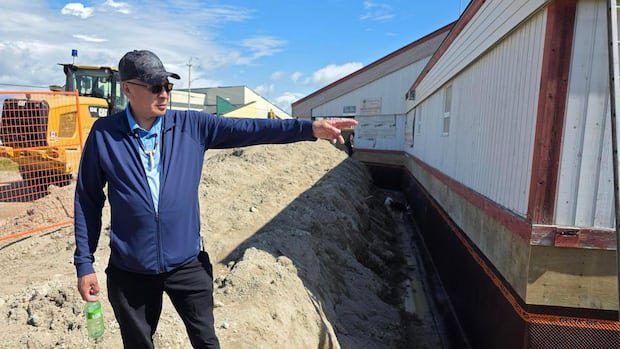
Leaders in Neskantaga First Nation are requesting assistance from provincial and federal authorities to establish a new healthcare facility following the community’s second evacuation this summer. The remote Ojibway community, located approximately 440 kilometers northeast of Thunder Bay, Ontario, declared a state of emergency on August 4 due to a sewage leak at the community’s sole nursing station. With fewer than 400 residents, this incident occurred shortly after over 140 community members had returned from Toronto, where they were evacuated due to nearby wildfires.
Last year, the community faced a three-month evacuation due to flooding and fuel odors at its nursing station. Chief Gary Quisses stated that despite requesting support for a new healthcare facility previously, no definitive response has been received. Neskantaga has been under a boil water advisory for 31 years, the longest-standing advisory in Canada.
During a news conference at Queen’s Park, Neskantaga leaders, together with Kiiwetinoong NDP MPP Sol Mamakwa, highlighted the urgent need for improved healthcare services. The community’s nursing station, built in 1994, is currently operating with limited capacity following the recent sewage leak. Efforts to restore the facility are ongoing, with no set timeline provided.
Nishnawbe Aski Nation officials visited Neskantaga to assess the situation, expressing concern over the prolonged infrastructure challenges and the impact on community members. Kerry Black, a prominent researcher focusing on water issues in First Nations, emphasized the need for sustainable funding to address the water and wastewater crisis at Neskantaga. Quisses stressed the community’s dire healthcare situation, urging for long-term solutions and adequate support to address the ongoing challenges faced by residents.
The community continues to receive support from various agencies, including Emergency Management Assistance Program funding and access to emergency services if needed. Despite the ongoing testing and repair efforts at the nursing station, Quisses hopes the situation draws attention to the community’s urgent needs and the need for sustainable solutions amidst the push for development in the region.

