
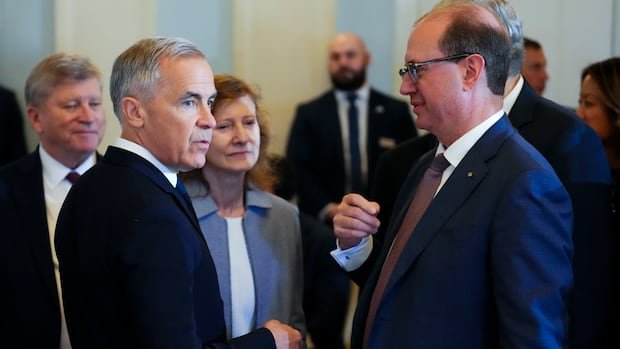
Canada’s ambassador to the United States emphasized the necessity of reintroducing American alcohol into Canadian markets to secure a trade deal and prevent potential new tariffs, as revealed in a video conference on Thursday. Mark Wiseman conveyed this message during a comprehensive discussion with approximately 100 members of the Canada-U.S. trade council.
The council, comprising various businesses, industry associations, and labor unions, also received input from a former Canadian chief trade negotiator expressing reservations about the proposed agreement. Negotiations are currently ongoing in Washington between Canada’s team and the Trump administration to avert a 50% tariff imposition on Canadian exports, with a looming deadline of midnight on Friday.
Wiseman outlined a preliminary consensus aimed at sidestepping the impending tariffs during the 30-minute dialogue, according to three sources familiar with the matter. The potential deal includes provisions to reduce steel, aluminum, and auto tariffs while revising the allocation process for dairy import licenses by the government. Concerns were raised by the dairy sector regarding the possibility of increased American dairy products flooding the Canadian market.
Following Wiseman’s departure from the call, the council’s advisor, former chief trade negotiator Steve Verheul, cautioned against potential pitfalls associated with the agreement. Verheul, who led Canada through challenging negotiations resulting in the Canada-U.S.-Mexico Agreement, highlighted the risks of conceding to sectoral tariffs and making significant compromises.
Under the proposed agreement, the U.S. is expected to lower steel and aluminum tariffs by half, from 50% to 25%. Additionally, the headline tariff rate on Canadian-made vehicles could be reduced from 25% to 15%, with exemptions for American content. However, concerns were raised among participants on the call regarding the automotive industry’s dissatisfaction with the outcomes.
Verheul stressed the importance of maintaining leverage before entering CUSMA review discussions and cautioned against making significant concessions too early in the process. He emphasized the need for Canada to reject the imposition of sectoral tariffs and prioritize achieving duty-free trade at the upcoming CUSMA review. Concerns were also raised about inadequate consultation with industry stakeholders and the disparity in information sharing compared to the U.S. industry.
Chrystia Freeland, another advisor on the council and former finance minister, echoed similar concerns about the potential long-term implications of agreeing to tariffs and emphasized the challenge of reversing such decisions in the future. Discussions continue as both sides work towards finalizing a mutually beneficial trade agreement.

