
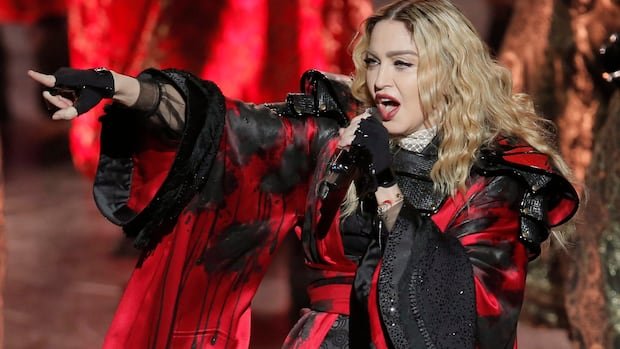
In the past month, a rendition of Madonna’s popular song “Like a Prayer” gained significant airplay on Australian radio stations. However, this cover version now faces exclusion from official charts due to updated regulations introduced by the Australian music industry.
The Australian Record Industry Association (ARIA), responsible for overseeing the nation’s music charts, recently declared that tracks entirely crafted by artificial intelligence (AI) will no longer be permitted on the charts. ARIA’s spokesperson, Andrew Knowles, emphasized that recordings must possess a substantial human touch to warrant inclusion on the ARIA charts.
According to the new guidelines, tracks where generative AI solely creates the creative components, especially lead vocals or instruments, will be disqualified. Nevertheless, recordings where AI complements a human performance will still meet the eligibility criteria. ARIA also reserves the authority to remove entries suspected of manipulating streaming or chart data, ensuring compliance with copyright laws.
ARIA’s Chief Executive, Annabelle Herd, affirmed the commitment to preserving the authentic human artistry in music amidst the evolving landscape of AI technology. The association stressed that AI-generated tracks will not be considered for the prestigious ARIA Awards, maintaining the integrity of the music industry.
This decision follows the controversy surrounding the rendition of “Like a Prayer” by Brisbane DJ and producer Josh Fawaz, which incorporated AI-generated vocals and drumbeats. The track’s prolonged presence on the ARIA’s Top 20 Australian Singles chart sparked debates and criticism regarding the use of generative AI in music production.
The implementation of the new rules will commence next Monday, disqualifying entirely AI-generated tracks from the ARIA charts. Notably, some AI-assisted music will still be eligible for chart placement. ARIA confirmed that Fawaz’s cover of “Like a Prayer” did not meet the revised eligibility standards, leading to its exclusion from the charts.
The industry’s move to regulate AI-generated music reflects a broader effort to uphold the intrinsic human connection and creativity in music production, ensuring a transparent representation of Australia’s musical landscape.

