
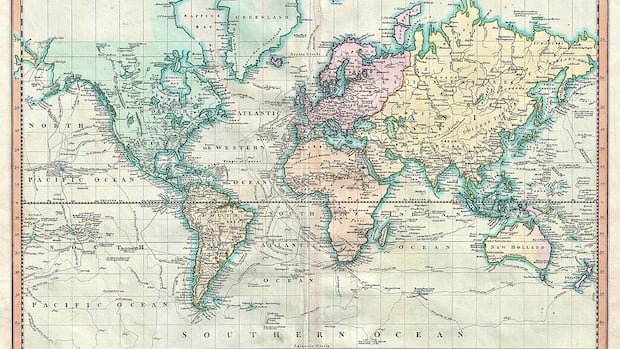
In a recent United Nations vote, a resolution was passed to transition from the outdated Mercator global map to a more accurate representation of countries’ true sizes. This move, backed by African nations, aims to combat the misconception that Africa is insignificant on the world stage.
The initiative, spearheaded by Togo, aligns with the African Union’s push to reduce the reliance on the Mercator map, which distorts the proportions of land masses by exaggerating those closer to the poles. For instance, it erroneously depicts Greenland as comparable in size to Africa, even though Africa is approximately 14 times larger.
Togo’s Foreign Minister, Robert Dussey, emphasized the importance of using a fair map, stating that it sets the foundation for a fairer world. The resolution endorses the Equal Earth projection, a more precise portrayal of continental sizes.
While the resolution, which garnered 164 votes in favor and one against, with six abstentions, is not legally binding, it does not challenge the Mercator projection’s suitability for maritime and aerial navigation.
Despite the United States being the sole dissenting vote, criticizing the resolution for promoting an ideological agenda, Togo is committed to updating its school geography materials by the year’s end. Togo intends to lead by example by being the first country to revise its geography books and urges other nations to follow suit.
Dussey emphasized the need for governments, schools, international organizations, and technology firms to transition away from the centuries-old Mercator projection and embrace the Equal Earth projection for a more accurate depiction of the world. This shift aligns with broader African initiatives to address colonial legacies and does not aim to antagonize any specific region or civilization.
Looking ahead, Togo plans to collaborate with African Union members and global allies to promote wider adoption of the Equal Earth projection. Dussey highlighted the importance of involving companies specializing in mapping, GPS, and location-based technologies in this transition, emphasizing the evolving nature of the world and Africa’s role in shaping it.

