
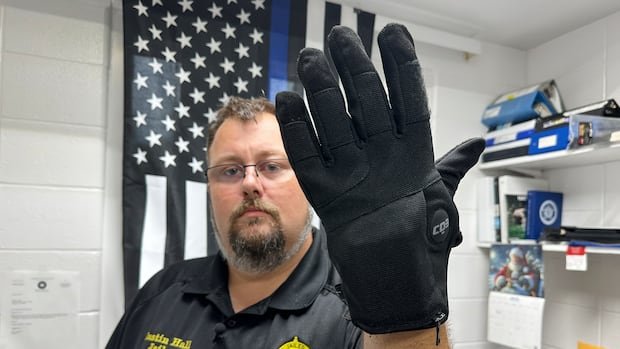
The U.S. Immigration and Customs Enforcement (ICE) has approved a $16.7 million contract to buy 6,000 pairs of gloves capable of delivering electric shocks to control detainees and protesters who resist. Despite objections from civil rights advocates and Democratic lawmakers, ICE proceeded with the purchase. The agency announced its intention to buy “conductive distraction and de-escalation devices” in a recent notice.
ICE finalized a no-bid deal with Compliant Technologies LLC, a Kentucky-based manufacturer, to acquire the gloves along with support equipment and services within the next six months. Concerns have been raised by civil rights advocates about ICE’s use of force and lack of oversight, particularly in light of incidents involving fatalities during interactions with ICE and Customs and Border Protection (CBP).
Following a letter from Democratic Senator Catherine Cortez Masto and colleagues urging ICE to abandon the procurement, ICE went ahead with the purchase. The gloves, which appear as regular patrol gloves until activated to deliver an electric shock when pressed, are intended for use in high-tension scenarios such as arrests, detainee transport, and civil disturbances near detention facilities.
The purpose of these gloves is to facilitate quick control and prevent injuries during resistance, handcuff individuals concealing their hands, and aid in crowd management. ICE emphasized that the shocks aim to avoid the use of more severe force like firearms. However, concerns remain regarding the risks associated with deploying these devices without clear guidelines, proper training, and oversight.
The Department of Homeland Security, ICE’s parent agency, defended the purchase against criticism, labeling it as an attempt to undermine and endanger officers. This contract is part of a series of no-bid contracts issued by the Trump administration, drawing scrutiny from Democrats for similar practices in other procurement processes.

