
The G7 nations have announced an agreement to release 100 million barrels of oil, with a focus on significant quantities of diesel, in response to the recent surge in fuel prices in the United States. President Donald Trump confirmed the immediate release of diesel through social media, in line with the G7’s commitment to initiate a substantial release of diesel within the next 20 days followed by a gradual release over four months.
Facing mounting pressure ahead of the Nov. 3 midterm elections, Trump and the Republican Party are striving to address the escalating prices driven by factors such as the Iran conflict and trade disputes. Despite the ongoing war and resultant spike in gas and diesel prices over the past eight months, Trump remains steadfast in his stance that the price hike is justifiable in preventing Iran from acquiring nuclear weapons, assuring a decline in prices post-war, though the duration remains uncertain.
In Canada, the average diesel price stands at $2.63 per litre, varying in different cities like Vancouver where it reaches approximately $2.71 per litre. The soaring prices are particularly burdensome for transport truck drivers and farmers who heavily rely on diesel to operate their vehicles and equipment.
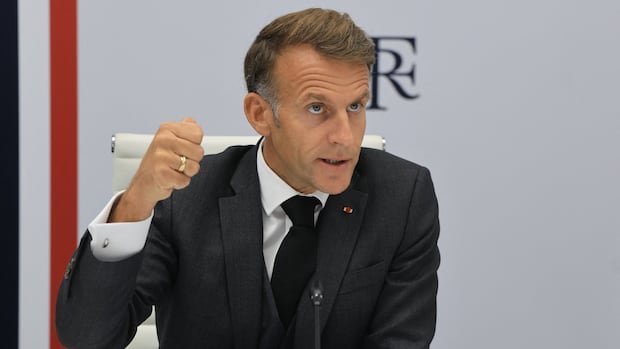
The announcement of the oil release was made by France, which currently holds the rotating presidency of the G7, following a videoconference chaired by French President Emmanuel Macron. The G7 countries, comprising Canada, France, Germany, Italy, Japan, the U.K., and the U.S., with EU representation, will collaborate through the International Energy Agency to implement the coordinated effort aimed at addressing the escalating fuel prices.
The decision to release 100 million barrels comes as a follow-up to the March commitment by the International Energy Agency member countries to release 426 million barrels of oil and products to stabilize the oil market. Trump’s recent contemplation of banning diesel exports to lower gas prices in the U.S. has drawn caution from experts who warn of potential adverse effects on the global fuel market and further price escalations.
Despite the discussions, the G7 statement underlines the commitment of its members, including the U.S., to refrain from imposing energy export restrictions on each other and calls for all producers to avoid actions that could worsen market tensions. Trump’s dialogue with Macron preceding the videoconference highlighted the urgency of addressing rising fuel prices and ensuring the availability of petroleum products. Notably, a recent AP-NORC poll revealed that a majority of U.S. adults attribute the escalating prices to Trump, leading to a decline in approval ratings for his handling of the economy.

