
Conservatives are urging the Liberals to disclose the contents of the U.S. tariff agreement that was rejected by the federal government last week. While one expert believes transparency could foster national unity, others argue that it may weaken Canada’s negotiation stance.
Following failed negotiations, U.S. President Donald Trump imposed a 50% tariff on numerous Canadian imports. Prime Minister Mark Carney stated that the U.S. demanded too much and offered too little for a final agreement to be reached.
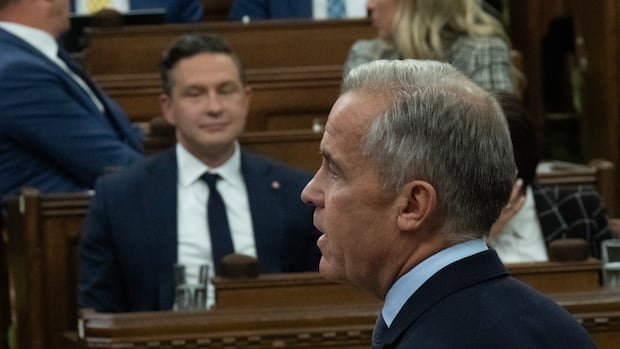
Conservative MPs are pressing Carney to reveal the specifics of the rejected agreement. Conservative Leader Pierre Poilievre emphasized the importance of transparency, stating that Canadians deserve to be informed about the terms under consideration.
Bloc Québécois Leader Yves-François Blanchet expressed openness to the government releasing the details. However, trade lawyer Lawrence Herman cautioned against divulging such information, stating that trade talks should be handled discreetly to maintain negotiation leverage.
Although some experts advocate for transparency, emphasizing the global context of trade discussions, others argue that revealing sensitive details could risk Canada’s position in future negotiations. Despite calls for disclosure, Finance Minister François-Philippe Champagne highlighted that key information has already been publicly disclosed.
Amidst differing opinions on transparency, the debate continues on whether sharing the details of the trade agreement would benefit or harm Canada’s position in ongoing negotiations with the U.S.

