
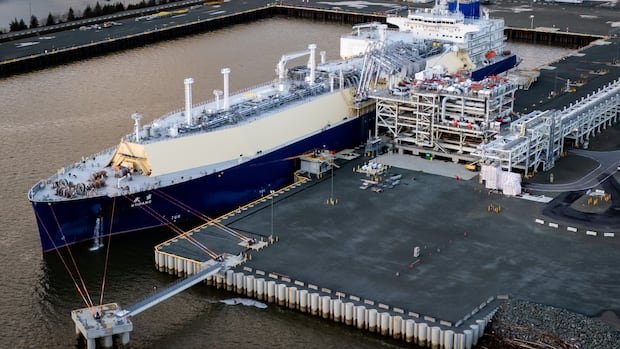
LNG Canada is set to utilize Chinese steel once again for its Phase 2 expansion project in Kitimat, B.C., citing the need for specialized fabrication capabilities. This decision aligns with the project’s $33-billion expansion plans, which will see the addition of two more liquified natural gas processing units on-site, doubling production capacity to 28 megatonnes per year by the early 2030s.
The consortium of five international energy companies behind LNG Canada has confirmed the expansion, with a focus on procuring components from China Offshore Oil Engineering Co., Ltd. (COOEC). This move follows COOEC’s successful fabrication of modules for LNG Canada’s Phase 1.
Although there have been discussions on the use of Canadian versus Chinese steel for the expansion, Prime Minister Mark Carney emphasized that the decision ultimately lies with the project proponents. Despite the potential for sourcing Canadian steel, the specialized fabrication requirements for the project modules have led LNG Canada to opt for COOEC due to its unique capabilities.
While the project may rely on Chinese steel for certain components, there are plans to prioritize Canadian steel for other aspects, such as the construction of compressor stations along the pipeline network. This commitment aims to leverage Canadian suppliers for approximately 70% of the steel needed for these stations, highlighting the potential for local steel industry support.
The involvement of a Chinese state-owned producer as a shareholder in the project, alongside other international partners, underscores the global nature of LNG exports from Kitimat. Despite past concerns regarding the impact of anti-dumping duties on Chinese steel, the current regulatory landscape allows for the importation of steel components without additional tariffs.
As the Phase 2 expansion progresses, there is growing interest from Canadian steel industry stakeholders, including the Canadian Institute of Steel Construction (CISC), in contributing to the project. While the decision-making authority rests with the project developers, there are calls to maximize the use of Canadian suppliers to bolster domestic manufacturing and economic benefits.
Shipping logistics, including the need for marine access, have been cited as key factors influencing the choice to continue sourcing steel modules offshore. The challenge of transporting large-scale components to Kitimat underscores the importance of marine facilities for project execution, further supporting the rationale behind procuring steel from global suppliers.
Despite differing viewpoints on the capabilities of Canadian steel fabricators and the potential for utilizing domestic supply chains, ongoing developments in the Canadian steel industry and infrastructure are crucial for meeting the evolving demands of major projects like LNG Canada’s Phase 2 expansion.

