
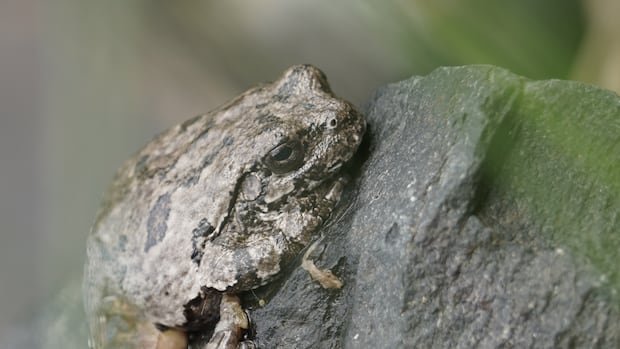
Lethargic frogs and toads shedding thickened skin in patches, along with respiratory and feeding difficulties, are indicative symptoms of chytridiomycosis, a deadly fungal infection causing an “epidermal epidemic” that has led to the extinction of numerous amphibian species globally. While not yet identified in Manitoba, Canada’s central province, the presence of the pathogen is presumed due to its widespread occurrence across the continent.
Chytrid, affecting frogs and toads, is caused by the fungal pathogen Batrachochytrium dendrobatidis, while in salamanders, it is triggered by Batrachochytrium salamandrivorans. The latter, suspected to have originated in East Asia, has devastated local salamander populations in parts of Europe in recent decades but has not crossed over to North America as far as current scientific knowledge goes.
The emergence of chytrid in frogs and toads remains uncertain, but evidence suggests its presence in regions like Brazil and Asia over a century ago before spreading worldwide, partly due to the exotic pet trade. Responsible for the extinction of over 90 species and declining populations in more than 500 others, chytrid is considered the most devastating infectious disease among vertebrates, with an increased prevalence in the U.S. and Canada in recent years.
Sampling in Alberta revealed nearly half of the frog populations tested positive for chytrid between 2006-2010, while studies in British Columbia identified its presence in a tenth of sampled amphibians, notably affecting northern leopard frogs. This species, endangered in Western Canada and classified as a species of special concern in Manitoba, has encountered population declines across the country, with suspicions linking chytrid to a significant decrease in Manitoba numbers five decades ago.
Although not confirmed due to lack of sampling, chytrid is considered a plausible explanation for observed amphibian die-offs in Manitoba. Researchers are actively monitoring wetlands in search of signs of the fungal infection, with concerns rising about the escalating risk to Prairie amphibians as environmental and climate changes unfold.
The initiation of a proactive monitoring program at Brandon University, led by graduate student Jackie Tran, aims to identify and potentially mitigate the impact of chytrid on Manitoba’s amphibian populations. Tran’s work, focusing on wetland amphibian habitats where pathogens could thrive, sets the stage for ongoing research and conservation efforts to protect these vulnerable species.
Results from field experiments suggest that young leopard frogs can be inoculated against chytrid’s severe effects, offering hope for the species’ survival. As research and treatments progress, there is optimism that interventions could help mitigate the devastating impacts of chytrid on amphibian populations, emphasizing the importance of proactive conservation measures to safeguard these vital ecological components.

