
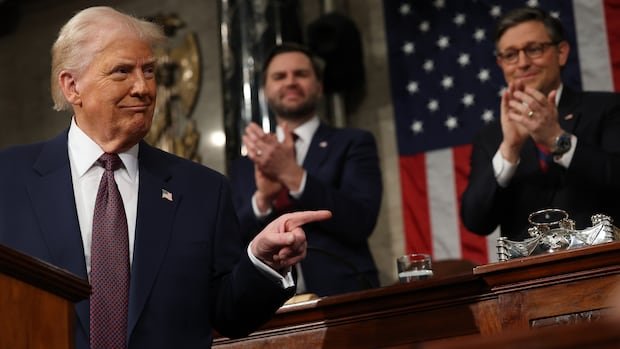
Republicans are gearing up for the upcoming U.S. midterm elections in November under increasing pressure to uphold their majority in the House, while Democrats are gaining ground in critical races. The outcome of these elections will not only impact the balance of power in Congress but could also give Democrats the ability to investigate the Trump administration, challenge its policies, and influence legislative decisions.
Although a shift in Congress could affect Trump’s power, his ability to act independently through executive orders may remain largely unaffected. This potential change in dynamics has raised questions about its implications for Canada-U.S. trade relations.
The traditional process of passing significant legislation involves collaboration between the president and Congress to advance policy agendas. However, Trump has demonstrated a willingness to use executive orders to push through his priorities, even in the absence of full congressional support.
By declaring emergencies and utilizing national security justifications, Trump has wielded executive authority effectively, executing actions such as engaging in conflicts, imposing tariffs, and challenging existing policies. Despite potential hurdles like investigations and impeachment threats, Trump’s reliance on executive powers is likely to persist regardless of the midterm election outcomes.
The role of Congress in checking presidential power has been called into question, with the court system emerging as a significant oversight mechanism. Even if Democrats secure control of Congress, Trump’s ability to veto legislation and leverage executive orders may continue to drive his agenda forward, emphasizing his commitment to advancing his goals despite potential political shifts.

