
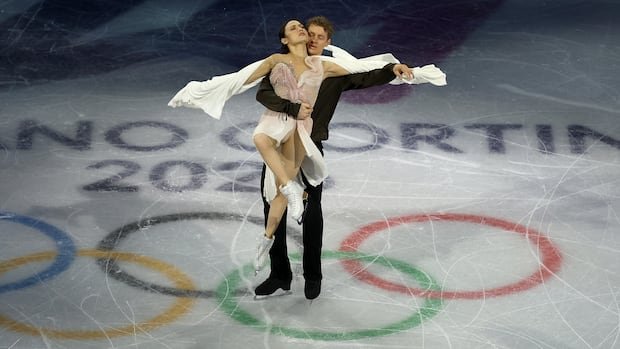
Teenagers as young as 13 who participate in figure skating are facing a rising wave of harmful comments on social media platforms, according to Olympic gold medalist Evan Bates. Bates highlighted the concerning trend, noting that some users are fostering “toxic environments” during livestreamed events such as the Junior Grand Prix figure skating competition, a significant event for aspiring Olympians aged 13 and above.
With the surge in viewership and online engagement following the 2026 Milan Cortina Winter Olympics, Bates, who leads the International Skating Union’s athletes committee, emphasized the need to address the escalating negativity targeting young skaters. He stressed that minors should not be subjected to abusive behavior while pursuing their skating aspirations at the ISU level as it can adversely impact their mental well-being.
In an effort to combat online abuse, the International Skating Union recently committed to a campaign against such behavior. Additionally, the ISU plans to expand a program offering athletes access to AI-driven software designed to shield them from offensive comments on their social media platforms.
Bates, alongside his ice dance partner Madison Chock, both esteemed figures in the sport, urged other prominent skaters to speak out against online abuse and support their peers. He called for a united front among experienced athletes to denounce individuals creating harmful online environments for skaters.
The ISU’s collaboration with the United Against Online Abuse campaign, initiated by the Fédération Internationale de l’Automobile (FIA), marks a unique alliance between the realms of figure skating and auto racing in combating online harassment. Bates advocated for the adoption of tools that act as a protective barrier against negative or abusive content on social media, despite initial reservations athletes may have about granting access to such third-party applications.
Highlighting the prevalence of online harassment in sports culture, Bates emphasized that while the phenomenon is not new, the direct accessibility of athletes through social media has exacerbated the issue. He shared insights on a tool that has identified and flagged 300,000 negative comments, with half occurring during the Olympics, across the accounts of 92 skaters utilizing the system.
Bates underscored the importance of addressing internet culture’s impact on athletes and the need for collective action to safeguard young skaters from online abuse and harassment.

