
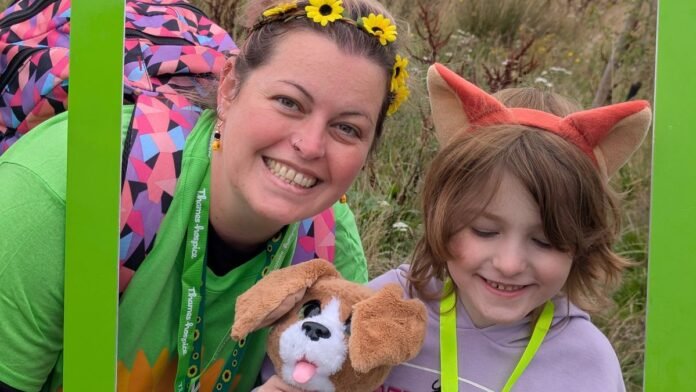
Kirsty Northam is sharing the challenges she faces in raising a child with disabilities, specifically the financial strain of providing accommodations and therapies for her six-year-old daughter, which amounts to an extra £4,800 annually for the family. Alongside Purpl founder Georgina Coleman, the Berkshire mother is advocating for improved support for families with special educational needs and disabilities (SEND).
Harper, Kirsty and her partner Dean’s six-year-old daughter, has been diagnosed with autism (Pathological Demand Avoidance profile), Hyperlexia, Sensory Processing Difficulties, and Restrictive Eating Patterns. This diagnosis has led the couple to adjust their parenting expectations.
Kirsty, who also has a functional neurological disorder, faces added difficulties in caring for Harper: “I sometimes find myself quietly overwhelmed. Balancing caring for my daughter with my own health issues is a constant challenge. Parenting a child with disabilities often means putting their needs above everything else.”
Expressing the contrast between her expectations and reality, Kirsty, 32, remarked, “Parenthood is not what we had imagined. Despite our love for Harper, we have learned not to compare our family journey with others.”
The Northam family’s expenses exceed those of typical single-child households by approximately £4,120 each year. While they receive support from the Department for Work and Pensions (DWP) through Disability Living Allowance (DLA) and Carer’s Allowance, the total benefits of £800 fall short of covering Harper’s additional care costs.
In an effort to manage costs, Kirsty mentioned cutting back on specialized sessions and struggling with debt. She emphasized the inflated prices associated with disability-related products, further straining their finances.
According to LV, the average annual cost of raising a child is around £12,400, but families with disabled children face higher expenses and must find innovative ways to cope financially, often requiring flexible work arrangements to accommodate caregiving responsibilities.
After Harper’s birth, Kirsty left her job as a teaching assistant to work at Harper’s nursery, and later explored freelance opportunities such as writing, social media support for brands, and selling handmade products to supplement their income due to being the primary caregiver.
Georgina Coleman, founder of Purpl Discounts, highlighted the financial challenges faced by disabled individuals and families, underscoring the necessity for better financial support beyond discounts. She emphasized the high costs associated with disabilities and the inadequate recognition of these challenges by policymakers.

