
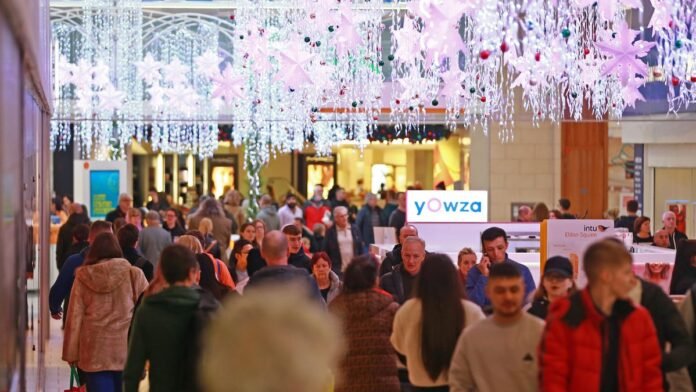
Britons are anticipated to spend a whopping £3.43 billion on last-minute Christmas shopping during the upcoming “Panic Weekend.” VoucherCodes.co.uk, a discount website, predicts that 49.6 million people will be engaging in festive shopping activities, with 36.8 million planning to visit brick-and-mortar stores, which will provide a significant boost to town and city centers nationwide.
The spending spree is expected to peak at an average of £2.3 million per minute on “Super Saturday,” totaling £1.75 billion overall. This weekend is the final opportunity before Christmas, prompting many individuals to either complete their gift purchases or even start them.
Zoe Morris, a savings expert at VoucherCodes.co.uk, highlighted the trend of leaving shopping to the last minute, with an additional 10 million shoppers expected this year compared to the previous year, marking a 26.2% increase.
Retailers can look forward to a nearly 13% increase in spending compared to last year during this weekend sales surge. Footfall data, indicating the number of shoppers, rose by 5.1% last week, with high street locations experiencing the most significant rise in activity.
As the final countdown to Christmas unfolds, retail leaders are optimistic about the upcoming “Super Saturday,” expecting a further increase in foot traffic. The weekend is anticipated to see a surge in last-minute gift purchases and festive grocery shopping as schools and offices close for the holidays.
The impact of consumer sentiment post the late Budget announcement in November is yet to be fully realized, with concerns about tax hikes dampening spending. Recent surveys indicate a gloomier outlook on future financial health, with households showing increased pessimism and reluctance to spend.
Maryam Baluch, an economist at S&P Global Market Intelligence, expressed disappointment in the household confidence indicators post the Autumn Budget, highlighting challenges such as reduced available cash, increased debt, and wavering job security. These factors are likely to hinder consumer spending and economic growth moving into the new year.

