
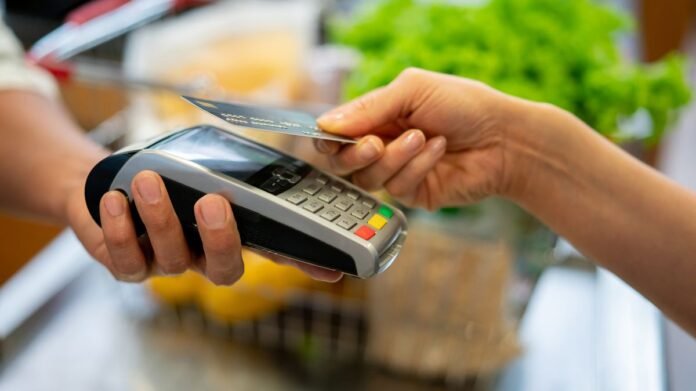
Advances in digital payment technology like contactless cards and mobile payment options have revolutionized transactions, offering speed and convenience to both consumers and businesses.
Despite these innovations, many individuals still prefer using cash for purchases. This choice is often driven by the need for effective budget management, as physical currency allows for better monitoring of expenses.
Certain demographics, such as the elderly, individuals with mental health challenges, or those seeking financial independence from abusive situations, also show a preference for cash transactions.
Businesses may choose to accept both payment methods for efficiency or to avoid card processing fees. However, it is important to note that any UK retailer has the right to refuse cash or card payments as per the law, regardless of customer preferences.
In the UK, there is no legal obligation for businesses to accept physical currency, granting them the freedom to select their preferred payment options. This issue recently surfaced when a pub chain decided to discontinue acceptance of certain cash denominations.
In November 2024, Wetherspoons announced its refusal to accept Scottish £20 and £50 notes due to concerns regarding counterfeit money circulation by criminal organizations.
Member of Parliament Angus MacDonald sought clarification from the government on discussions held with the company regarding this policy. Treasury minister Lucy Rigby affirmed that there are no statutory requirements on acceptable currency for businesses.
“Businesses are not mandated to accept specific payment forms,” she stated. “Each business determines its payment methods based on factors like cost and customer preferences.”
She also mentioned that while there are no immediate plans to alter existing regulations, recent changes empower the Bank of England to enhance cash circulation through new measures.
“Given the continued use of cash by millions, the Financial Services and Markets Act 2023 includes provisions to safeguard public access to cash,” she added.
<p class="Paragraph_paragraph-text

