
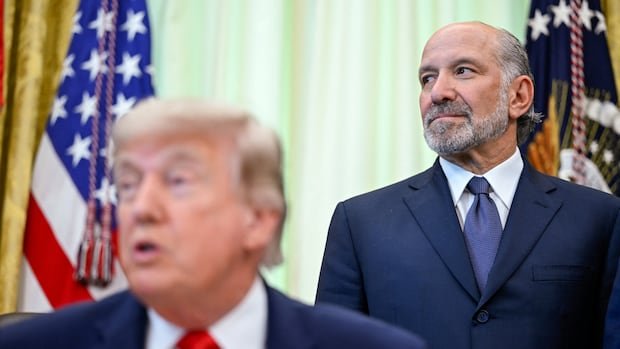
U.S. Commerce Secretary Howard Lutnick, a key member of President Donald Trump’s cabinet, is reportedly dissatisfied with the current trade agreement being discussed with Canada. Lutnick, a significant player in the administration’s economic policies and a longtime acquaintance of the president, believes that the United States could secure a more favorable deal than the one proposed earlier this week.
Sources familiar with the private discussions revealed that Lutnick raised concerns about potentially reducing sectoral tariffs, specifically suggesting a decrease in the tariff on Canadian-made vehicles from 25% to 15%. He argued that such a concession could hinder efforts to promote domestic production within the U.S.
Although the sources chose to remain anonymous due to confidentiality reasons, they disclosed that Lutnick’s reservations do not pose a threat to the overall agreement. However, his discontent contrasts with the positive outlook conveyed by President Trump, Prime Minister Mark Carney, and the top trade negotiators from both nations in recent public statements.
U.S. Trade Representative Jamieson Greer expressed satisfaction with the progress, emphasizing that the deal aims to safeguard American workers, jobs, and supply chains while enhancing the country’s economy. Meanwhile, a source close to the negotiations described Lutnick as both tough and constructive in his engagement with the negotiation team.
While the specific terms of the agreement have not been disclosed publicly, reports suggest that it may involve reducing sectoral tariffs that have been adversely impacting Canadian industries such as aluminum, steel, and automobiles. In return, Canadian premiers have been urged to consider lifting provincial restrictions on American alcohol imports.
The White House has refrained from confirming the exact details of the deal, emphasizing that any information should be treated as speculative until officially announced. With the impending deadline for new tariffs approaching, trade representatives from both countries continue to work towards finalizing the agreement in Washington.
Lutnick’s significant role as Commerce Secretary grants him considerable influence over the administration’s trade and tariff strategies. His alignment with President Trump’s stance on tariffs as a means to protect American businesses and promote domestic manufacturing has been evident throughout the trade discussions with Canada.

