
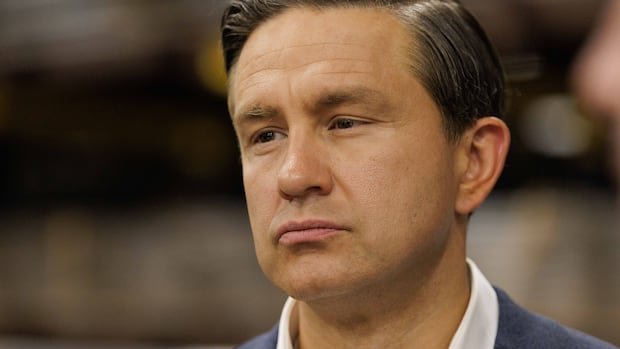
Conservative Leader Pierre Poilievre is urging Prime Minister Mark Carney to convene Parliament to disclose the details of the rejected U.S. trade deal and provide clarity on the impact of his retaliatory measures. Poilievre emphasized the need for transparency, stating that Canadians should have access to the agreement to assess available options.
In a letter addressed to Carney, Poilievre raised concerns about the potential cost implications of Carney’s trade and economic strategies, particularly on essential commodities such as groceries and fuel. Additionally, he questioned Carney’s plans to safeguard jobs in steel, aluminum, lumber, and auto manufacturing sectors threatened by tariffs.
Carney halted trade negotiations with the United States following allegations of restrictive measures imposed by the U.S. administration, prompting Carney to announce retaliatory tariffs in response to new U.S. tariffs that recently took effect.
Poilievre emphasized the critical role of Parliament in holding the government accountable, especially during times of economic uncertainty. He highlighted the urgency of addressing the economic challenges facing Canadians and reiterated the Conservative Party’s commitment to prioritizing national interests.
The call for transparency echoes sentiments expressed by Canada-U.S. relations critic Shuvaloy Majumdar, who emphasized the need for clarity on the terms of the rejected deal. Poilievre emphasized the importance of Parliament in safeguarding Canadian interests and urged immediate action to address pressing economic issues.
The U.S. imposed new tariffs of 50% on Canadian exports worth billions of dollars, targeting various goods, including hockey sticks, honey, essential oils, and dairy products. In response, Carney announced retaliatory measures against the U.S. starting September 8, following the breakdown of negotiations over what he described as a detrimental agreement.
President Donald Trump, in a social media post, ridiculed Canada, suggesting a desire for state-like benefits without formal status. While other opposition parties supported the idea of government briefings on the trade negotiations, Carney criticized the U.S. for introducing last-minute restrictions that hindered Canada’s trade flexibility.
Carney detailed additional U.S. demands during negotiations, including limitations on language and cultural protections, along with tariff adjustments for certain automobile categories. The government’s decision to suspend trade talks was met with mixed reactions, with opposition parties calling for increased transparency and accountability in future negotiations.

