
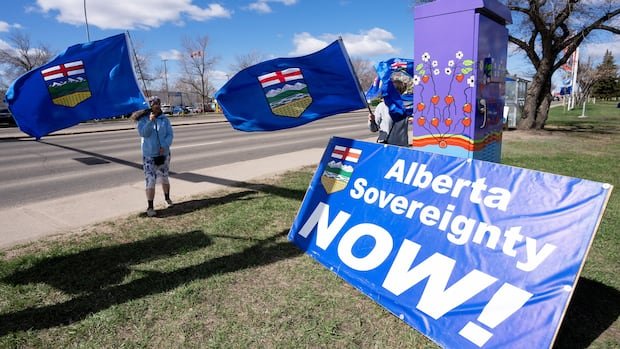
Internal federal documents reveal insights into Ottawa’s assessment of the economic repercussions if Alberta were to separate from Canada and become an independent entity. Finance Canada and the Justice Department papers also highlight the potential outcomes stemming from the uncertainty surrounding Alberta’s separatist movements.
According to Finance Canada’s briefing notes, obtained by CBC News through access to information legislation, the federal government has been discreetly analyzing the potential consequences of an estimated $18 billion fiscal shock, the relocation of corporate headquarters, and a significant migration of Albertans to neighboring provinces in the event of Alberta’s secession. The documents also raise concerns about the adequacy of federal pension laws in addressing the implications of Alberta’s potential departure from the Canada Pension Plan.
Although much of the information in the documents was redacted, they provide a glimpse into various scenarios being contemplated by the government in the upcoming months. Dated June 2026, the papers coincide with Alberta’s October 19 referendum, where voters will decide whether the province should continue its association with Canada or consider independence. The analysis so far has predominantly focused on the impact on Alberta itself rather than the broader implications for Canada.
Despite polling indicating a preference among Albertans to remain part of Canada, the documents caution that even the mere prospect of a separation referendum could have adverse economic effects on both Canada and the province. Drawing parallels to the 1995 Quebec referendum, the analysis suggests that businesses might delay investment decisions until there is clarity on future economic arrangements, potentially leading to financial strain both locally and nationally.
Highlighting historical examples, such as the exodus of major corporate head offices from Montreal during the late 1970s and early 1980s, the documents speculate that Alberta could witness a similar trend, particularly among non-resource sector companies, in the face of persistent uncertainty. Additionally, concerns are raised about the possible outflow of highly educated and skilled workers from an independent Alberta.
University of Calgary economist Trevor Tombe has conducted a separate analysis on the economic implications of Alberta’s separation, emphasizing the significant financial contributions Alberta makes to the rest of Canada. While an independent Alberta would retain certain financial benefits, Tombe’s report suggests that the newfound autonomy could be offset by substantial NATO defense commitments, operational expenses, and declining revenues from a contracting economy.
Moreover, the potential impact of Alberta exiting the Canada Pension Plan is a subject of scrutiny in the documents. The analysis reveals concerns raised by the chief actuary regarding the existing legislation governing the CPP, citing flaws in the payout formula and potential interpretational ambiguities. Addressing the complexities associated with divesting Alberta’s share in the CPP’s investments, the documents hint at possible legal challenges requiring Supreme Court intervention.
In response to inquiries about the government’s assessment of Alberta’s referendum implications, the Privy Council Office emphasized the importance of Alberta’s role within Canada’s prosperity and ongoing studies on the economic ramifications of a potential separation. A recurring theme throughout the analysis is the significant role Alberta plays in contributing to the national economy, representing 15% of Canada’s GDP and a substantial portion of its exports, particularly in the energy sector.

