
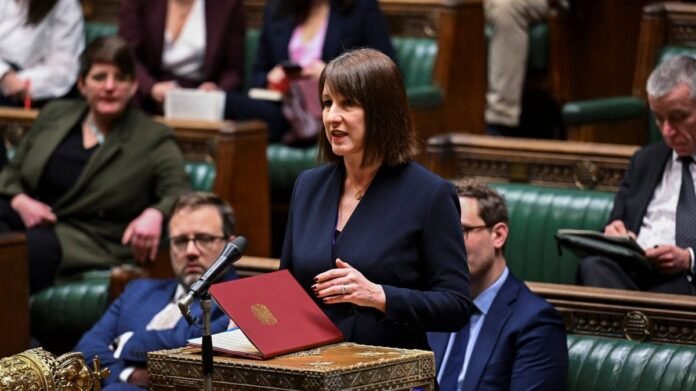
Rachel Reeves is reportedly planning to increase taxes in the upcoming Budget to secure £53 billion in additional funding for the NHS. The Chancellor is determined to protect this funding for the health service at all costs. Defence Secretary John Healey declined to confirm that Labour would uphold its pledge not to raise income tax or VAT.
Acknowledging the impact of weaker economic forecasts, Reeves is contemplating raising the basic rate of income tax for the first time since 1975. Additionally, she is considering raising council tax bands on high-value properties to boost revenues. The Chancellor’s top priorities reportedly include reducing waiting lists and national debt, with a focus on maintaining a 2.8% annual budget increase for the NHS.
However, the Office for Budget Responsibility’s downgrade of the UK’s productivity levels by 0.3% poses a challenge. This downgrade is predicted to lead to a £20 billion surge in public sector borrowing if no tax increases are implemented. Labour aims to stimulate economic growth to address the long-term impact of austerity measures and sluggish growth under the Tory government.
Reeves faces financial challenges due to higher borrowing costs and persistent inflation, compounded by policy reversals on winter fuel payments and social welfare cuts. The two-child benefit limit is also expected to undergo revisions following pressure from MPs and anti-poverty advocates.
While Keir Starmer pledged not to raise VAT, national insurance, or income tax in the previous manifesto, questions remain about Labour’s tax stance. Starmer avoided confirming this commitment during recent parliamentary sessions. Promising a stronger economy and improved healthcare services, Labour seeks to unveil its economic strategy in the Budget on November 26.

