
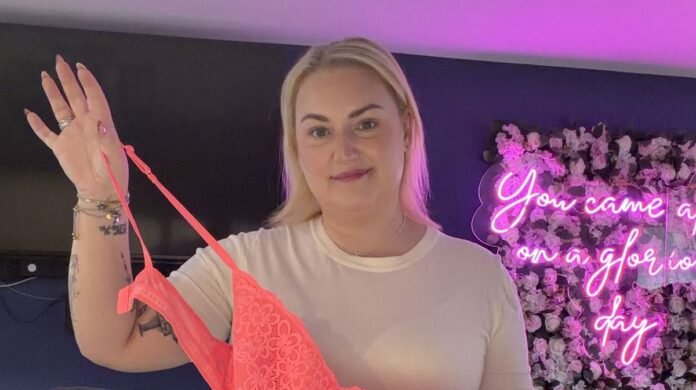
A mother recounts her experience of being advised by a hurried doctor to switch from wired to non-wired bras during a lump examination, only to later be diagnosed with stage four incurable cancer.
Laura Mcloughlin began feeling sharp pains in her right breast and discovered a sizable lump in April 2020. After consulting her GP, she was referred to a breast clinic at Bassetlaw Hospital in Worksop, Nottinghamshire. At the clinic, Laura felt rushed during the examination by a doctor nearing the end of his shift, who suggested the issue was likely hormonal and recommended changing bras.
Returning to the clinic in August 2020 due to an inverted nipple, further tests revealed lobular breast cancer in her right breast. Subsequent assessments showed the cancer had spread to her lymph nodes and lower spine, rendering it incurable. Laura underwent targeted therapy treatment and has been on medication for five years.
Advocating for prompt medical attention, Laura shared her story to raise awareness. She emphasized experiencing unusual breast pains and a noticeable lump, highlighting the importance of early detection. Laura expressed disappointment in the initial lack of thorough examination and the delayed diagnosis.
Volunteering with Coppa Feel, a breast cancer charity, Laura described her treatment journey as challenging, particularly the impact on her young children. Facing early menopause due to treatment, she reflected on the emotional toll of living with the uncertainty of an incurable illness.
Karen Jessop, Chief Nurse at Doncaster and Bassetlaw Teaching Hospitals, stressed the seriousness of patient care concerns, urging individuals with inquiries or care-related issues to contact the Trust’s Patient Advice and Liaison Service for support and review.
Laura’s message resonates with the importance of vigilance and timely medical intervention in addressing health concerns, underscoring the significance of proactive healthcare monitoring.

