
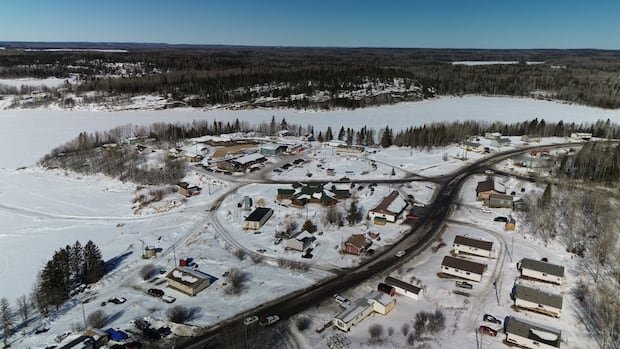
Amid an inquiry into a tragic residential fire in Asubpeeschoseewagong Netum Anishinabek, known as Grassy Narrows First Nation, in northwestern Ontario, the National Indigenous Fire Safety Council (NIFSC) is advocating for increased support for fire prevention.
Arnold Lazare, the interim chief executive officer of NIFSC, expressed the community’s deep impact when three individuals lose their lives. The Ontario Office of the Fire Marshal (OFM) and the Treaty Three Police Service (T3PS) are conducting an investigation into the fire that occurred on a Sunday evening, where the identities of the deceased have not been disclosed.
The cause of the fire remains unknown, and the First Nation leadership has refrained from commenting on the incident. With just under 1,000 residents, Grassy Narrows, situated about 85 kilometers north of Kenora near the Ontario-Manitoba border, is facing a challenging situation.
Indigenous communities face a significantly higher risk of fire-related fatalities compared to non-Indigenous populations, as highlighted in a 2021 Statistics Canada study commissioned by NIFSC. Arnold Lazare emphasized the critical need for improved fire services in underserved Indigenous communities, where substandard housing conditions and a lack of fire prevention measures contribute to the vulnerabilities.
Grassy Narrows’s band office and school have shut down temporarily following the tragic incident. NIFSC has extended its support to the community by offering assistance in developing fire prevention programs and providing access to wellness counselors if needed.
Grand Council Treaty #3, representing Grassy Narrows, expressed condolences for the families and the community dealing with the loss. Indigenous Services Canada (ISC) also conveyed their sympathies and assured the availability of mental health resources for those affected.
NIFSC, in collaboration with Kidde Canada, has been distributing smoke alarms to First Nation communities, but Lazare stressed the importance of fire prevention education. The council aims to establish fire prevention advocates within each community to ensure regular monitoring and maintenance of fire safety measures, ultimately empowering communities to take charge of their fire prevention initiatives.
Efforts to secure federal fire prevention funding for First Nations are underway, with the goal of enabling communities to drive meaningful change and save lives through grassroots involvement. Mental health support is available through the Hope for Wellness hotline and online chat services for those in need.
The tragic incident in Grassy Narrows sheds light on the urgent need for enhanced fire prevention measures and support for Indigenous communities across Canada.

