
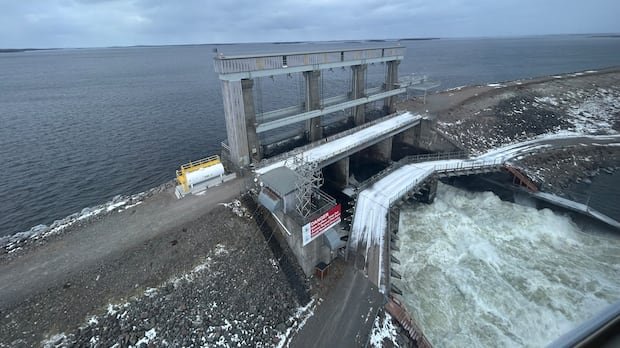
A recent agreement between Newfoundland and Labrador and Quebec regarding Churchill Falls reveals new details on energy production enhancements and distribution arrangements. Sources have disclosed that a memorandum of understanding (MOU) is close to finalization, with an official announcement expected soon.
Reported by Radio-Canada, the updated agreement will see Quebec receiving approximately 10,000 MW and Newfoundland and Labrador receiving between 2,350 MW and possibly up to 3,000 MW. The plans involve expanding hydroelectric operations at Gull Island and increasing turbine capacity at the existing Churchill Falls plant to achieve the energy production targets.
Notably, the revised deal incorporates wind power, marking a significant departure from the previous agreement. While pricing terms are expected to remain relatively stable, the allocation of electricity has seen substantial increases for both provinces.
Minister Lela Evans refrained from divulging specific details of the new MOU during discussions with the media. The potential for a referendum on the agreement, a promise made during last year’s elections, remains uncertain as the government under Premier Tony Wakeham focuses on economic growth and job creation through energy projects.
Local leaders like Labrador City Mayor Jordan Brown stress the importance of securing the new deal to support regional development. The agreement also guarantees transmission access through Quebec, allowing Newfoundland and Labrador to sell up to 985 megawatts of power to external markets using Hydro-Quebec’s network.
Experts like Gabe Gregory emphasize the significance of market access and call for an independent review of the new MOU to ensure transparency. Moreover, community groups like Friends of Renewable Churchill Energy welcome the improvements in the agreement, seeking fair value for the region’s power resources.
As stakeholders await further details on the finalized agreement, concerns linger over potential political implications, especially with an upcoming election in Quebec. The impact of the new Churchill Falls deal on energy markets and regional development remains a focal point for observers and residents alike.

