
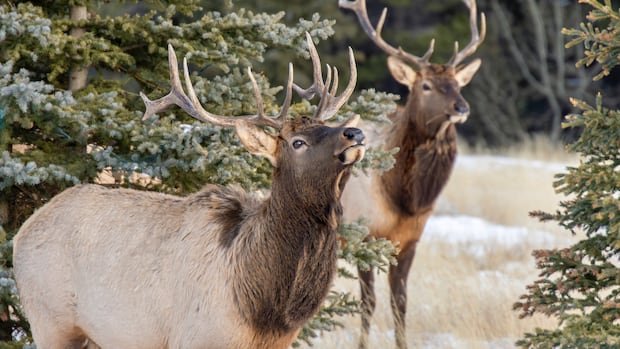
A recent study conducted in 25 Canadian national parks revealed that elk were involved in nearly 60% of aggressive wildlife encounters. The research, based on data collected by Parks Canada between 2010 and 2023, focused on incidents occurring during common activities like hiking, wildlife watching, sightseeing, and town strolling.
The study examined encounters with five animals: elk, mule deer, coyotes, grizzlies, and black bears. Elk were found to be the primary instigators in over half of the approximately 3,000 aggressive encounters. Notably, they were frequently involved in incidents during adventure sports such as mountain biking and dominated encounters at campsites. Elk were also the most common culprits in town encounters compared to other wildlife.
Shashank Balakrishna, the study author, emphasized that the findings expose a lack of awareness among people regarding the potential danger posed by certain animals. He noted that misconceptions about the docile nature of herbivores like elk contribute to underestimating their capacity for aggression.
Nick de Ruyter, the program director at the Biosphere Institute of the Bow Valley, expressed little surprise at the study’s outcomes. He highlighted that elk’s presence in and around the Town of Banff is a result of their avoidance of predators, leading them to become accustomed to human presence. However, this familiarity can lead to risky behaviors from people, such as attempting to feed or take selfies with the animals, ultimately resulting in confrontations.
The study revealed that 80% of aggressive encounters occurred in Banff and Jasper, primarily due to the high influx of tourists and the presence of towns within these parks. While the term “aggressive encounters” encompasses various interactions, only a small portion constituted actual attacks, indicating that wildlife generally exhibit tolerance towards human presence.
De Ruyter emphasized the importance of maintaining a healthy fear and respect for wildlife, particularly in areas where encounters are more likely. He recommended making noise in less visible areas to avoid startling wildlife, especially bears. Additionally, he stressed the significance of giving animals ample space and carrying bear spray as precautionary measures when exploring wildlife habitats.
In conclusion, while hiking and walking are popular activities in national parks, the study findings do not imply that these activities are inherently dangerous. Rather, they underscore the necessity of making informed choices and being adequately prepared when interacting with wildlife.

