
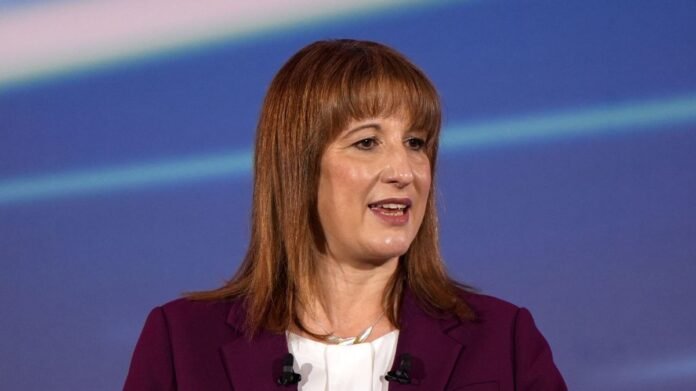
Rachel Reeves is set to convene a meeting with key Cabinet members to emphasize the importance of reducing inflation. The Chancellor will stress the necessity for government departments to refrain from actions that could exacerbate inflation, amidst growing criticism.
The meeting, slated for this Thursday, coincides with upcoming figures from the Office for National Statistics expected to reveal a 21-month high in inflation at 4% last month. This increase in the Consumer Price Index, up from 3.8% in the previous months, would indicate inflation running twice the Bank of England’s 2% target.
The surge in inflation adds more pressure on both the Labour party and the government, especially with the Autumn Budget looming. Speculation suggests the government is contemplating eliminating VAT on household energy bills to combat inflation and ease financial burdens on numerous households.
Policies introduced in Rachel Reeves’ previous budget, such as the rise in employers’ national insurance, have been pointed out for fueling price hikes. The Treasury emphasizes the urgency of addressing cost of living issues, with a focus on exploring various measures including reducing energy costs.
The meeting on Thursday with select Cabinet ministers aims to review policy decisions that may be contributing to inflation and increased expenses. This initiative follows a joint letter from Rachel Reeves and PM Keir Starmer urging colleagues to prioritize measures that keep costs low and mitigate inflation.
Recent warnings from the International Monetary Fund indicate that UK households will face the highest inflation among the world’s seven leading economies this year and the next. This unexpected surge in prices reduces the likelihood of a Bank of England rate cut in the near future, impacting borrowers but benefiting savers.
While the IMF has raised its forecast for UK economic growth this year, concerns over the job market have led to a downward revision for next year. The economic landscape remains uncertain, with a delicate balance between inflation, economic growth, and market stability.

