
U.S. President Donald Trump called on Americans to embrace slightly increased gasoline prices as a necessary measure to prevent Iran from acquiring a nuclear weapon. He hinted at declaring the Strait of Hormuz as U.S. territory in the near future. This stance highlights the potential political risks for Trump, as heightened fuel costs clash with his pledge to reduce energy expenses. Democrats are poised to leverage the economic implications of a conflict with Iran in the upcoming November midterm elections.
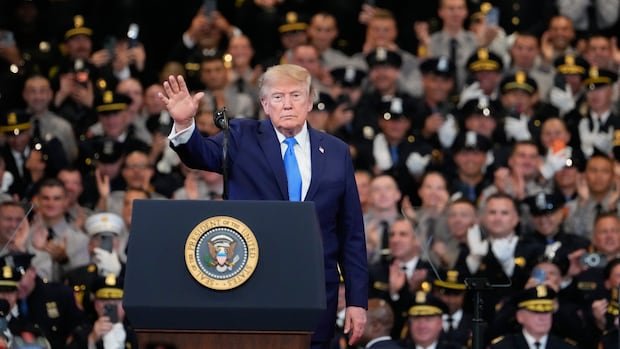
During a speech in Garden City, N.Y., Trump emphasized that the incremental rise in gasoline costs was a small price to pay to prevent a nuclear-armed “very evil country.” He underscored the importance of the U.S.’s role in global security efforts and expressed unwavering commitment to countering Iran without apologies.
About 20% of global oil and LNG shipments typically traverse the vital Strait of Hormuz, leading to concerns of prolonged disruptions and subsequent oil price hikes. Trump’s statement on potentially declaring the Strait as U.S. territory heightened tensions regarding the strategic waterway, although the seriousness of his remark and its policy implications remain unclear.
In response to Trump’s comments, Kazem Gharibabadi, Iran’s deputy foreign minister, dismissed the notion of the U.S. seizing control of the strait through social media posts. He asserted that Iran alone held the authority to open or close the waterway, challenging Trump’s aggressive rhetoric.
The ongoing geopolitical tensions surrounding the Strait of Hormuz continue to impact global energy markets, with Brent crude nearing $90 per barrel and U.S. gasoline prices reaching approximately $4 per gallon. The situation underscores the delicate balance between geopolitical posturing and economic stability in the energy sector.

