
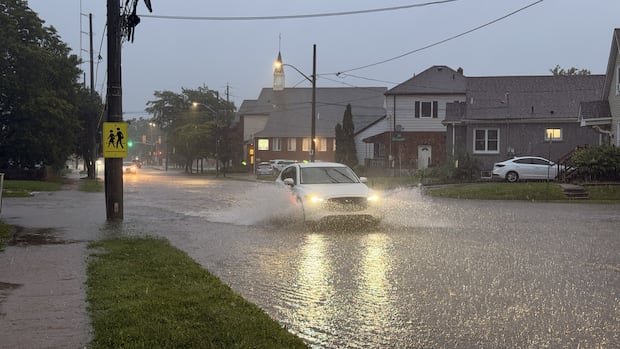
After facing a series of major storms within a short span of 11 or 12 days, St. Catharines, Ont., is still grappling with the aftermath of severe flooding. Mayor Mat Siscoe stated that the city witnessed its largest storm events ever recorded in rapid succession. The stormwater system coped adequately with the initial storm, but subsequent storms saturated the ground, overwhelming the system’s capacity and resulting in widespread overland flooding and sewer backups into residences.
Dave White, the owner of White Orchard Farms near St. David’s, managed to salvage his garlic crops despite his fields being submerged during the recent storms. Taking proactive measures based on past experiences, White ensured proper drainage on his land to mitigate flood damage. Additionally, as a restoration company operator, he has been inundated with distress calls from homeowners facing flooding issues.
The flooding situation in St. Catharines highlights the urgent need for upgrading the city’s drainage and sewage infrastructure to prevent future crises. The existing infrastructure, built over 150 years ago, struggled to cope with the recent extreme weather events. The city has increased spending on sewer systems, but a complete overhaul of the aging infrastructure would require substantial investment and labor resources.
Recent rainfall levels in the Niagara area exceeded the design capacities of the drainage infrastructure, with some parts experiencing rainfall levels surpassing a 100-year storm event. The consecutive storms pushed the drainage systems beyond their limits, causing widespread inundation and operational challenges for treatment plants.
To enhance flood resilience, St. Catharines is exploring innovative solutions such as redesigning parks to absorb excess rainwater and implementing stricter stormwater retention measures for new developments. However, the city emphasizes the need for additional provincial and federal funding to expedite infrastructure upgrades, acknowledging that the process will be lengthy but essential to safeguard the community’s well-being.

