
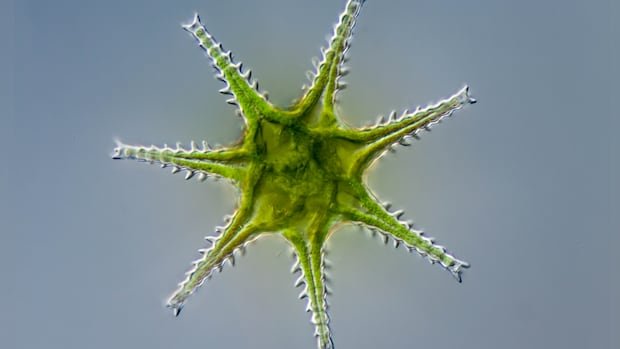
A rejuvenated forest can present itself as towering, verdant, and vibrant. Revived wetlands may teem with buzzing insects and fluttering birds. However, upon closer inspection, scientists are discovering that certain minute inhabitants, such as specific mosses, lichens, algae, and fungi, are often absent.
The restoration of ecosystems like forests and wetlands can aid in the preservation of declining animal and plant species, facilitating their recovery. Nevertheless, recent studies reveal that not all species return at the same pace. Some of the tiniest, least conspicuous inhabitants may remain scarce or missing for extended periods, potentially impacting other species.
Ellen Macdonald, a botanist from the University of Alberta, has dedicated her career to studying forests, focusing not on the trees but on the minute flowers, mosses, liverworts, and lichens that thrive in their shadow, among their roots, or on the textured surfaces of their bark.
According to Macdonald, the biodiversity of these smaller species far surpasses that of tree species. To the untrained eye, a regenerated forest decades after logging may appear similar to one untouched, brimming with tall trees, birds, and insects. However, Macdonald has noted a sense of something amiss while walking through regrown coniferous boreal forests, even if the exact issue may not be immediately identifiable.
Macdonald’s research, combined with global data, delved into the recovery timeline of plants and animals as boreal forests regenerate post-clearcutting. The study, recently published in the journal Nature Sustainability, indicates that birch and aspen forests and their inhabitants can recover within 25 years, while conifer forests require significantly more time. In conifer forests, understory plants, particularly lichens, mosses, and liverworts, may take 85 years or more to reestablish, with some species still absent even after a century.
The phenomenon observed in boreal forests is not exclusive to that ecosystem. Scientists studying restored habitats like wetlands have similarly noted that while these areas may appear healthy, certain less conspicuous species remain missing.
Viktoria Wagner, an associate professor at the University of Alberta, describes this decline as a “silent form of loss,” where species gradually vanish from their former habitats, leading to a reduction in overall species richness at individual sites.
Wagner’s research on “dark diversity” has revealed such trends among plants in various global habitats, including algae. Once a species disappears from a specific location, the chances of its return diminish, potentially leading to local extinctions.
The repercussions of these losses may not be immediately evident. Despite their small size, algae play a significant role in global oxygen production and food availability. Declining diversity can have cascading effects, negatively impacting other species in the ecosystem.
Understanding these patterns could guide landscape managers in preserving a greater variety of species. Macdonald suggests that selective harvesting or partial cutting in conifer forests, rather than clearcutting, could aid in species preservation.
The threat to algal habitats and their inhabitants is a global concern, as highlighted by Melkonian’s work in collecting and preserving over 5,000 strains of algae. This effort serves as a means to ensure the conservation of these species as living organisms, akin to an “algal zoo.”
For Wagner, the ongoing loss of species underscores the need for active interventions to maintain biodiversity. Preserving isolated pockets of habitat is insufficient; it is imperative to sustain and restore adequate habitat across landscapes to support species persistence.
The “silent loss” of species emphasizes the necessity of proactive conservation efforts to safeguard biodiversity and ecosystem health.

