
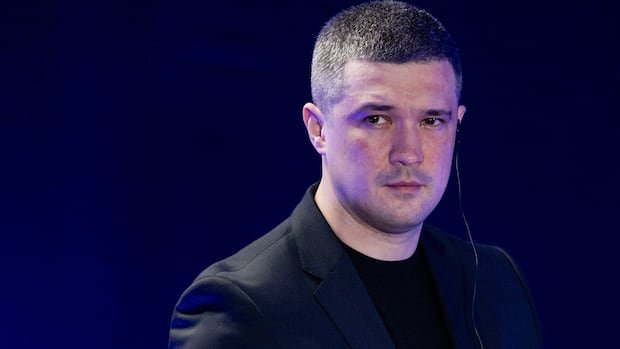
Ukrainian President Volodymyr Zelenskyy is facing renewed pressure to conduct wartime elections, despite constitutional limitations prohibiting such elections during martial law. The call for elections comes from Mykhailo Fedorov, a former defense minister who was recently removed from his government position. Fedorov advocates for finding a legal and safe way to reinstate Ukraine’s democratic processes amid the ongoing conflict with Russia.
The feasibility of holding elections amidst the war remains uncertain, with some observers questioning the practicality of such a move at this time. However, the political implications of the election demands cannot be overlooked by Zelenskyy, whether elections are imminent or not.
Before his dismissal, Fedorov, a 35-year-old reformist and technology-savvy member of Zelenskyy’s administration, served as Ukraine’s digital transformation minister and championed the use of drone technology in combat against Russia. Fedorov’s removal in July sparked widespread protests across Ukraine, urging Zelenskyy to reconsider the decision.
The possibility of conducting elections is subject to debate, given the complexities posed by the ongoing conflict with Russia. Some experts, like combat medic Dmytro Koziatynskyi and policy fellow Lesia Bidochko, question the logistical challenges of organizing elections with millions of Ukrainians displaced and serving in the military.
Despite the calls for wartime elections, Ukrainian officials express skepticism about the practicality of such a move, emphasizing the need for constitutional changes and the complexities of orchestrating elections during martial law. Zelenskyy has yet to respond directly to Fedorov’s election proposal, but his communication adviser highlighted the intense military activities by Russia as a significant factor in the decision-making process.
Experts caution that rushing into wartime elections could pose significant risks to national unity and potentially be exploited by Russia. They stress the importance of avoiding external interference and ensuring a stable transition process. The legitimacy of Zelenskyy’s leadership has also been questioned by Russia, raising concerns about the potential impact of holding elections during the ongoing conflict.

