
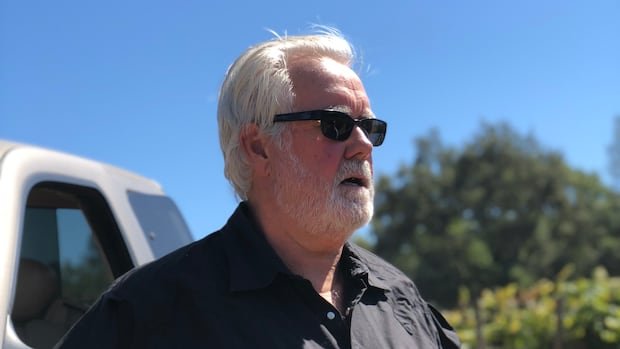
Winemaker Bill Easton used to have a smooth operation shipping cases of Syrah to Montreal every six weeks from his California winery in the Sierra Foothills. However, Quebec’s decision to halt the sale of American alcohol disrupted this routine. Now, Easton pays $1,200 every four weeks to store wine in a temperature-controlled facility, awaiting potential sales.
Easton expressed frustration at being caught in the crossfire of international trade disputes, questioning why the wine industry is being used as a bargaining chip. Canadian provinces ceased U.S. alcohol distribution in response to President Trump’s tariffs, prompting Prime Minister Mark Carney to urge reconsideration to avoid new tariffs on Canadian goods.
While some provincial leaders are open to lifting the ban under favorable terms, others are cautious about relinquishing leverage in trade negotiations. Manitoba Premier Wab Kinew criticized Trump’s tactics and emphasized the need for careful consideration before making concessions.
The Oregon Wine Growers Association echoed the sentiment, highlighting the importance of rebuilding trust and stable trade relations with Canadian buyers. Despite the potential for a deal, many Canadians remain hesitant to return to buying American brands, with some opting for domestic alternatives or maintaining personal boycotts.
The impact of the ban is evident in trade figures, with U.S. wine exports to Canada plummeting by $343 million between 2024 and 2025. Distilled Spirits Council of the United States reported a significant decline in bourbon exports to Canada, emphasizing the urgency of resolving the trade dispute to restore normal market conditions.
For Easton and other affected producers, the ban has resulted in substantial financial losses, highlighting the need for concrete resolutions to restore previous trade practices. Amid uncertainties, industry stakeholders hope for a swift resolution to normalize trade relations and revive cross-border commerce.

