
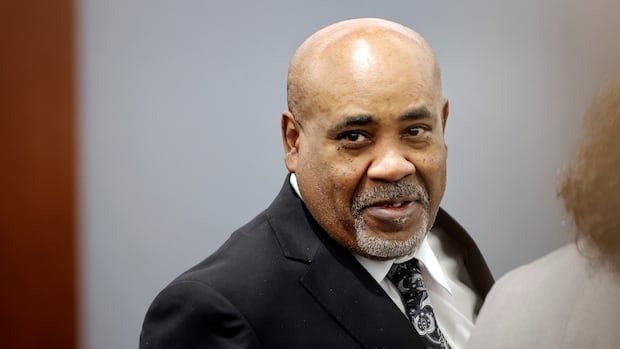
In a 2008 police interview recording played for jurors on Thursday, Duane (Keffe D) Davis claimed that his nephew Orlando (Baby Lane) Anderson was the one who shot and killed rapper Tupac Shakur. Davis, who allegedly orchestrated the 1996 murder of the hip-hop artist, revealed to Los Angeles police in the interview that he was present in the car with Anderson during the shooting incident in Las Vegas. At the time of the interview, Anderson had already passed away for ten years.
According to Davis, as their white Cadillac approached the vehicle carrying Shakur and Death Row Records executive Marion (Suge) Knight, he intended to shoot but passed his gun to Deandre “Big Dre” Smith since Knight’s car was on the other side. However, Smith refused the weapon, leading Anderson, who was also in the car, to take the gun and open fire.
During the playback of the audio recording in court, Davis described the events of the shooting while jurors attentively listened and took notes. This marked the first time Davis openly discussed his role in the crime with authorities, providing crucial evidence for the prosecution’s case against the 63-year-old accused. Prosecutors emphasized the significance of Davis’s statements from police interviews, podcasts, and his co-authored memoir, Compton Street Legend.
Despite previously implicating others in the shooting, Davis pleaded not guilty to the charges. His defense attorney dismissed the prosecution’s narrative as fiction and criticized the lack of evidence supporting Davis’s confessions. Initially brought in by Los Angeles police to discuss the 1997 killing of Tupac’s rival, the Notorious B.I.G., Davis was eventually ruled out as a suspect in that case.
Prosecutors argued that Davis breached confidentiality when he publicly shared details about the shooting in later interviews and his memoir, thereby voiding any prior agreements with law enforcement. The motive for Shakur’s murder, according to prosecutors, was retaliation for an earlier altercation between Shakur’s entourage and Anderson at the MGM Grand.
Decades after his tragic death, Tupac Shakur continues to be revered as a cultural icon and one of the most influential rappers of all time. His legacy remains strong, solidifying his status as a pivotal figure in hip-hop history.

