
Public institutions in Quebec, including universities and Montreal’s Metro network, are adjusting to the newly expanded secularism law, Law 9, which came into effect on Sept. 1. The law, an extension of Bill 21, enforces restrictions on religious symbols in various settings, such as banning prayer rooms on university campuses and within transit agencies like the Société de transport de Montréal.
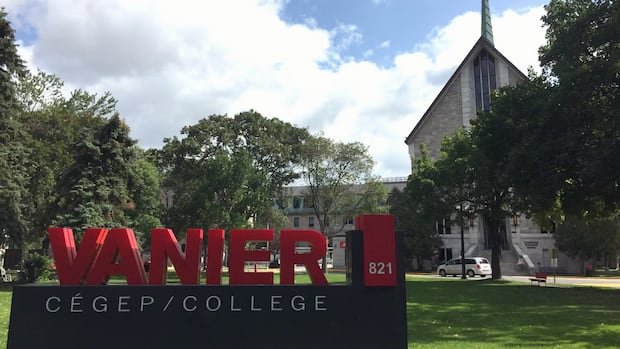
Concordia University and McGill University have taken steps to comply with the law by removing prayer spaces. Similarly, Vanier College has locked its prayer room, directing Muslim students to nearby mosques for prayer. While prayer rooms are being closed, chapels at certain universities are permitted to remain operational.
To ensure compliance with Law 9, institutions are establishing processes for managing religious accommodations and implementing new training for staff. The law also affects daycare workers, who are prohibited from wearing religious symbols while on duty. The impact of these changes is being closely monitored by relevant unions and organizations.
Montreal’s public transit agency, the Société de transport de Montréal, has restricted employees from praying on workplace premises and has repurposed prayer rooms for silent activities. Violations of the law may result in fines, and inspectors have been appointed to oversee enforcement. However, legal experts warn of a lack of clear guidelines for handling non-compliant individuals and suggest that public institutions are navigating a legal grey area in enforcing the law.

