
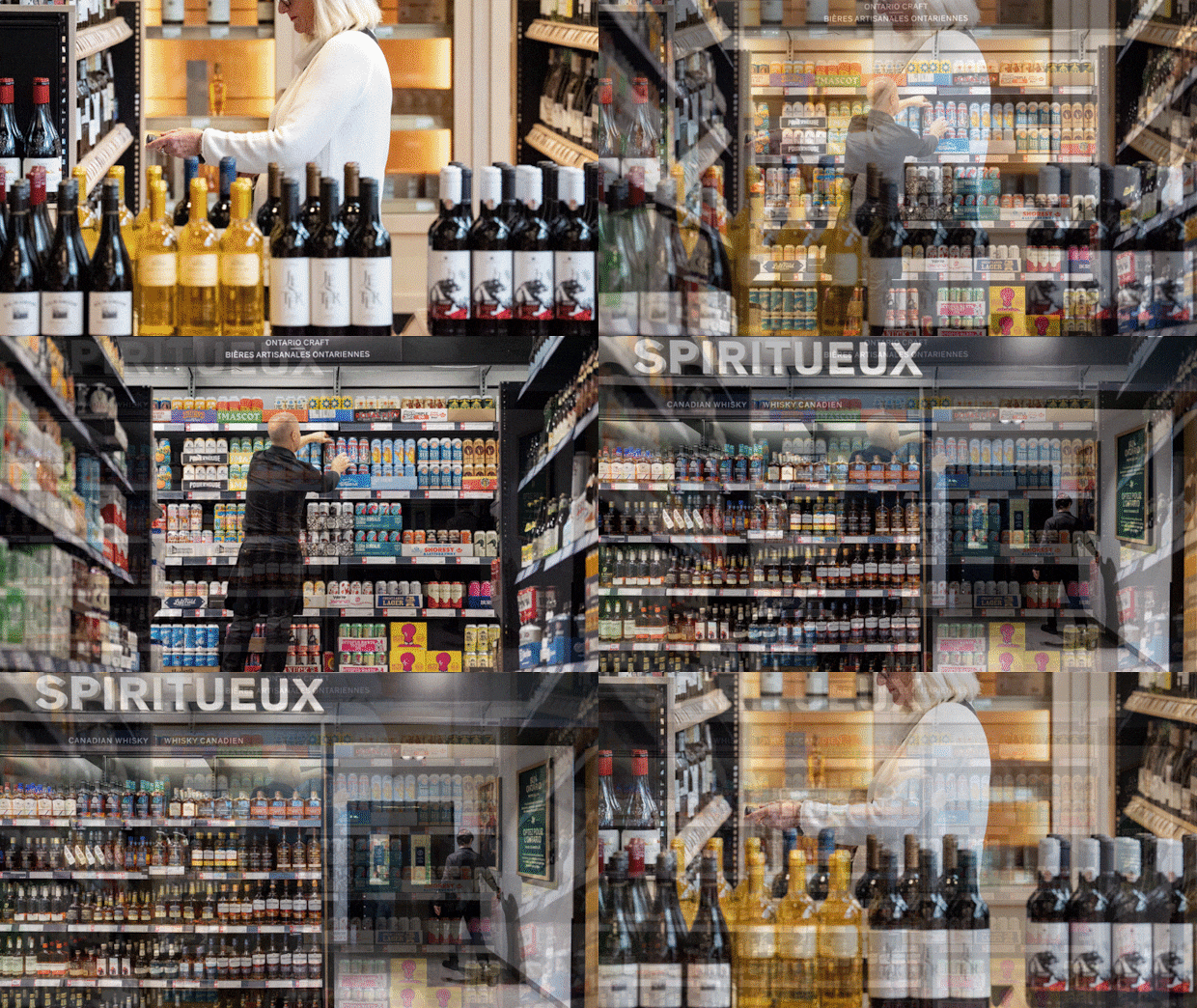
Distiller James Lester, the founder of Sons of Vancouver distillery in British Columbia, is facing a new challenge amidst the ongoing trade war disruptions. Effective as of Tuesday at 12:01 a.m. ET, the U.S. has imposed bans on certain Canadian alcohol products, dairy byproducts, motorcycles, and molasses, leading to the exclusion of specific producers from the American market.
Lester, who typically ships a small amount of wheated rye to the U.S. annually, expressed his disappointment as he had been actively working to establish and grow business relationships in the American market. Despite having some remaining stock available online for U.S. consumers, the ban restricts further sales to American buyers, presenting limited options for Sons of Vancouver’s products.
The import restrictions on alcohol exacerbate tensions in the trade war, affecting individual business owners, particularly those in the spirits industry. Notably, the U.S. imported a significant amount of spirits from Canada in 2025 compared to wine and beer, making the loss of the U.S. market concerning for the industry.
While certain exemptions exist for bulk shipments of specific liquors, smaller players in the industry are anticipated to bear the brunt of the bans, as multinational companies with dual facilities may navigate the restrictions more effectively. The impact on smaller breweries, distilleries, and vineyards that heavily rely on U.S. trade could be substantial, as highlighted by trade experts.
The focus on alcohol in the trade dispute underscores its symbolic significance and cultural ties, with alcohol representing more than just a commodity. Brands like Kentucky bourbon and California wine hold political weight, making them strategic targets in trade negotiations. The retaliatory measures, while impacting Canadian businesses, are designed to exert pressure on the targeted country.
As the ban persists, businesses like Ironstone Vineyards in California are feeling the effects of the trade tensions, with significant reductions in exports to Canada. The economic implications of the alcohol feud have prompted calls for resolution from industry groups and a hopeful outlook for the eventual restoration of trade relations between the U.S. and Canada.
Despite the challenges faced by the alcohol industry, there remains optimism for a resolution and a return to normal trade relations, as businesses like Ironstone Vineyards aim to rebuild their Canadian market presence in the future.

