
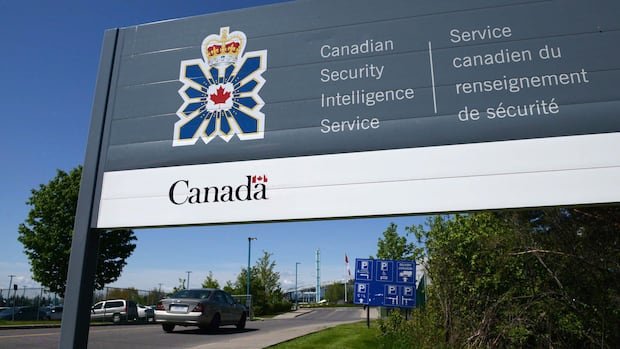
The Canadian Security Intelligence Service has revamped its recruitment process to address operational needs, as revealed in internal communications, indicating ongoing challenges in recruitment. Earlier this year, CSIS implemented various changes to align with operational requirements and emerging trends, as per documents acquired through an access to information request by CBC News.
The adjustments signify a shift in recruitment strategies, deployment procedures, and empowerment approaches within the organization, as highlighted in emails sent to CSIS managers. These modifications aim to enhance efficiency, effectiveness, and readiness to meet the evolving and demanding operational environment.
Primarily targeting “structural bottlenecks,” the changes focus on boosting external recruitment, streamlining the transition from recruitment to deployment, and increasing the ratio of external hires. A new team dedicated to external recruitment has been established to attract individuals efficiently and responsibly.
By March 2026, CSIS’s recruitment ratio stands at 85% internal appointments to 15% external hires, with a directive to consider external talent significantly for specific skilled roles. Unlike other government positions, most CSIS jobs necessitate enhanced top-secret clearance, involving an extensive vetting process that delves into candidates’ personal, family, and financial backgrounds, lasting 12 to 18 months.
In a bid to expedite deployment, CSIS is instituting changes that allow candidates to apply directly to their preferred regions, facilitating targeted hiring to fill regional vacancies. The organization is also adjusting official language requirements and shortening training sessions for operational readiness.
Moreover, CSIS is exploring the outsourcing of certain recruitment processes, such as screening, targeted recruiting, and psychological assessments, to external providers. The service has already enhanced the use of outsourced standardized written testing tools to streamline assessments and is reorganizing the transition of co-op students into full-time roles.
CSIS is evaluating new technologies to enhance recruitment processes, aiming to fill vacant positions for intelligence officers, engineers, analysts, IT specialists, and communication professionals. The agency faces escalating demands due to evolving security threats, including espionage, foreign interference, and terrorism, according to CSIS spokesperson Magali Hébert.
Former CSIS analyst Stephanie Carvin, now an assistant professor at Carleton University, emphasized the longstanding challenge of recruitment and retention within the service. She underscored the critical need for human intelligence officers and the risks associated with staff shortages, including burnout and operational risks.
CSIS Director Dan Rogers has prioritized culture change within the agency and appointed a new executive lead for recruitment and staffing in February, aiming to address operational pressures and growth requirements. This move signals the organization’s commitment to overcoming staffing challenges and adapting to changing operational landscapes.

