
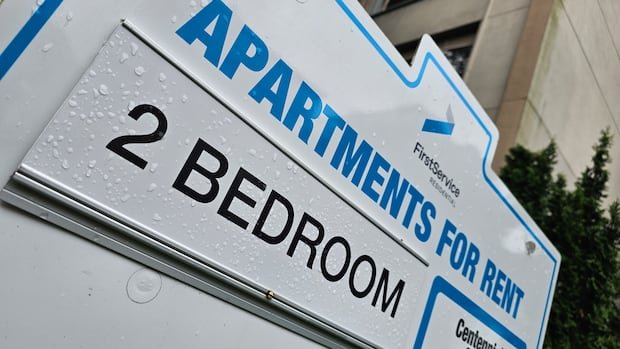
The average rental unit asking price in Canada dropped by 4.2% year-over-year, settling at $2,034 in September, according to the latest report from Rentals.ca and Urbanation. This marks the second consecutive year of annual declines, making it the longest downturn in recent Canadian rental market history. Over the past two years, average asking rents have decreased by 7.3%, currently standing 9.2% lower than the peak of $2,202 in May 2024. Statistics Canada data also revealed a 19.4% increase in average weekly earnings over the last five years, indicating an improvement in rental affordability.
Monthly rents decreased slightly by $1 compared to August, totaling $2,035, continuing a seasonal trend of increased demand in spring and summer tapering off in the fall. Ontario saw a 4.8% year-over-year decline in average rents for all property segments, with British Columbia down by 2.9%, Alberta by 2.6%, and Quebec by 1.7%. In contrast, Nova Scotia and Saskatchewan witnessed a 1.4% rise in average rents.
On a per-square-foot basis, the average asking rent for Canada’s six largest markets dropped to $2.48, a 1.5% decrease from September 2025. Purpose-built apartment rents fell by 2.7% annually to $2,036, while condominium apartment rents decreased by 7.8% to $2,052. Condo rents experienced the most significant decline, especially studio condos with a 9.6% drop, while other secondary market units like houses and townhomes decreased by 7.4% to $2,016 year-over-year.
Toronto and Vancouver rental markets are showing signs of stabilization after hitting a five-year low in rents. Urbanation President Shaun Hildebrand mentioned that the correction in rents has been primarily driven by supply, with new supply in key markets like Toronto and Vancouver surpassing its peak. The report predicts a return to positive rent growth in these cities due to decreased construction inventory, population growth, and lower exposure to tariffs in their labor markets. This, coupled with more affordable rents and move-in incentives, is expected to boost demand as prospective renters who delayed household formation due to high rents in previous years enter the market.

