
In the area of Sumas First Nation near Abbotsford, British Columbia, Chief Dalton Silver mentioned that residents have become accustomed to oil spills over time. The First Nation’s traditional land has been a pathway for storing, redirecting, and transporting crude oil for many years. Chief Silver opposed the Trans Mountain Expansion Project in 2024, which was unsuccessful. Presently, he is preparing to challenge the proposed Pacific Link pipeline, which is expected to follow a similar route to the Trans Mountain.
Expressing his concerns, Chief Silver stated that the Pacific Link pipeline is set to traverse their territory, causing alarm among the community members. He has been apprehensive about the impact of spills on the local drinking water and fears that the Pacific Link project could exacerbate the situation.
Chief Silver, along with other Indigenous leaders, is raising objections to the government’s pipeline proposals. While some leaders are skeptical and feel excluded from the decision-making process, others are interested in seeing the project come to fruition. Chief Silver is contemplating legal action, with discussions also revolving around potential direct actions like blockades among Indigenous leaders in British Columbia.
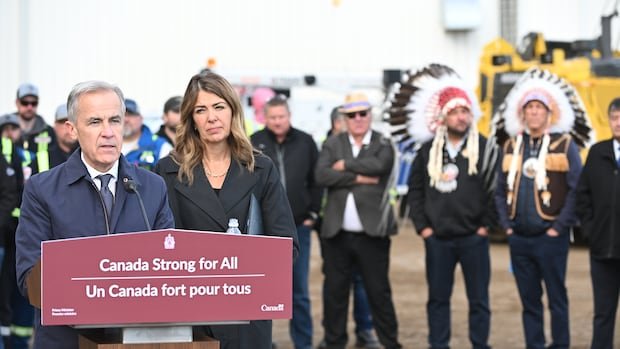
The Pacific Link pipeline aims to transport one million barrels of oil daily from Bruderheim, Alberta, to Roberts Bank, British Columbia. Prime Minister Mark Carney has designated the project as being in the national interest, with plans to expedite its construction to boost Canada’s GDP. Chief Raymond Powder of the Fort McKay First Nation supports the economic prospects of the project but expresses concerns about the tight timeline set by Carney.
Notably, environmental concerns, Indigenous rights, and responsible construction are pivotal considerations emphasized by Prime Minister Carney in the pipeline project, slated for completion by September 2027. While Chief Powder acknowledges the economic benefits, he stresses the importance of ensuring meaningful Indigenous participation in the decision-making process to safeguard the environment for future generations.
Grand Chief Trevor Mercredi highlights the critical issue of oilsands tailings, emphasizing the need for clear strategies to manage the environmental impact of these byproducts. He underscores that his presence at Carney’s announcement does not equate to approval of the project and emphasizes the importance of genuine consent and comprehensive discussions on pertinent details.
The article also discusses the division within Indigenous communities regarding the pipeline project, with some communities feeling excluded from equitable opportunities. While Carney indicated Indigenous communities would collectively have at least 10% ownership, concerns persist about inclusivity and fair distribution of benefits among all nations involved.
In conclusion, the Pacific Link pipeline project has stirred a mix of support and apprehension among Indigenous leaders, highlighting the complex interplay between economic development, environmental sustainability, and Indigenous rights in major infrastructure initiatives.

