
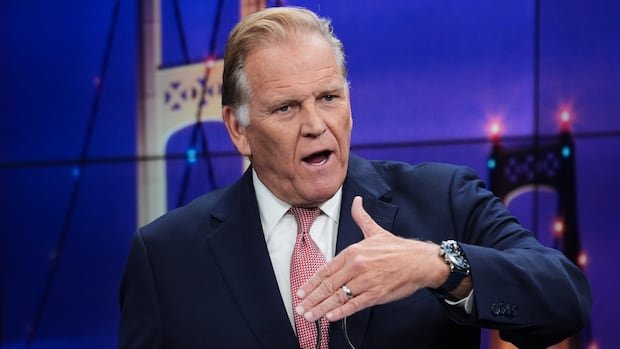
Michigan Senate candidate Mike Rogers faced intense scrutiny over the ongoing trade tensions between the United States and Canada during a spirited debate on Thursday. The discussion, a pivotal moment in a closely contested midterm election, highlighted the candidates’ divergent views on tariffs and trade policies.
Rogers addressed questions about his stance on the trade dispute, emphasizing his efforts to facilitate a resolution. He acknowledged the need for a favorable trade deal while criticizing the current high tariffs imposed on Canadian imports by the U.S. He also criticized his opponent, Abdul El-Sayed, suggesting that El-Sayed’s proposed policies could lead to increased consumer prices.
The trade conflict with Canada has emerged as a central issue in the competitive race between Rogers and El-Sayed. President Trump’s aggressive trade measures against Canada, including significant tariff hikes and retaliatory actions, have stirred controversy and drawn widespread disapproval in Michigan, a state heavily reliant on cross-border trade with its northern neighbor.
The escalating trade tensions between the U.S. and Canada have escalated since negotiations stalled earlier in the year. Recent developments include the imposition of substantial tariffs on various Canadian products by the U.S., prompting retaliatory measures from Canada. Additionally, a ban on certain Canadian goods entering the U.S. market has further exacerbated the trade dispute.
Rogers has also waded into the debate surrounding the delayed construction of the Gordie Howe International Bridge, advocating for a more advantageous deal for the U.S. and expressing concerns about potential implications for the auto industry, a key sector in Michigan’s economy.
As the election nears, both candidates have sparred over a range of issues, including the Iran conflict, fuel costs, and their respective financial interests. El-Sayed has voiced support for targeted tariffs as part of a strategic industrial policy, while criticizing Trump’s approach as haphazard and self-serving.
The outcome of the Michigan Senate race holds significant implications, with Democrats aiming to secure a Senate majority with a net gain of four seats. The candidates’ contrasting views on trade policies and economic priorities have come under intense scrutiny, reflecting the broader national debate on trade relations and the future direction of U.S. economic policy.

