
Fish populations are rebounding in the streams near the former tar ponds and coke ovens areas in Sydney, Nova Scotia, indicating a positive outcome following the extensive cleanup of decades of industrial pollution from steel and coal operations in Cape Breton.
The $400 million remediation project was overseen by the Sydney Tar Ponds Agency, which later merged into Nova Scotia Lands and is now under the umbrella of Build Nova Scotia, responsible for monitoring the water quality in the streams flowing through the former industrial zones.
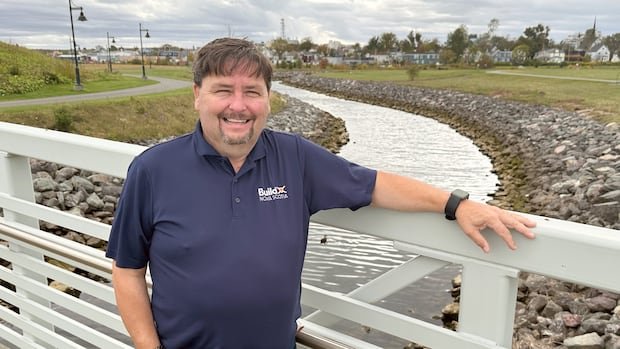
Donnie Burke, a senior director at the agency, expressed optimism based on findings from an independent engineering firm, indicating that the remediation efforts are proving effective with stable or improving trends observed so far.
The coke ovens site was once covered with slag rock residue from the steel plant, while the tar ponds, previously known as one of Canada’s most toxic waste sites, were encapsulated in concrete. Additionally, Coke Ovens Brook, Wash Brook, and Muggah Creek underwent cleanup efforts, and the surrounding areas were landscaped to channel surface water into the streams, with groundwater from the coke ovens area treated before re-entering the water system.
Following the cleanup, both sites were restored with topsoil and grass. The former tar ponds have been transformed into Open Hearth Park, featuring recreational amenities such as sports fields, playgrounds, and walking paths. The coke ovens site now serves as an open field for activities like cricket, walking, and snowmobiling.
Water testing has confirmed that the tar ponds cap is effectively containing toxins, while occasional spikes in heavy metals or industrial chemicals at the coke ovens site are promptly addressed through the monitoring system and adjusted water treatment processes.
Ongoing monitoring efforts, halfway through the 25-year commitment post-cleanup, continue to show positive trends, according to Burke. Recent observations by provincial staff have noted the presence of trout eggs and fry in Coke Ovens Brook, indicating a resurgence in aquatic life in the area.
Research conducted by Dr. Katherine Jones, a biologist at Cape Breton University, revealed improvements in the health of mummichog fish residing in the former tar ponds post-cleanup. Preliminary studies suggested a significant recovery in the fish population health, with previous abnormalities like fin rot and bone issues no longer observed.
Jones emphasized the need for further studies to assess the long-term impact on local fish populations and explore genetic connections between existing fish and historical inhabitants of the area. The government’s commitment to transparency includes regular updates on monitoring results on Build Nova Scotia’s website.
Overall, stakeholders are encouraged by the progress and positive indicators from the remediation efforts, highlighting the restoration of aquatic ecosystems and the resurgence of fish populations in the once-polluted industrial sites.
—
The rewritten article provides a fresh perspective on the successful remediation efforts in Sydney, Nova Scotia, showcasing the restoration of aquatic habitats and the return of fish populations to previously contaminated areas. The content is optimized for search engines and maintains accuracy while engaging readers with a new presentation of the original information.

