
The Bank of Canada has maintained its interest rates unchanged since July 2023. Despite the general expectation of another hold next week, a growing number of economists and traders anticipate a potential rate hike to counter persistent inflation. The current policy rate has remained at 2.25% following a reduction of a quarter-point in October 2025.
Bank of Canada Governor Tiff Macklem has indicated the possibility of raising borrowing costs if energy prices stay high, citing ongoing global energy market disruptions due to the unresolved Middle East conflict. Recent inflation data from Statistics Canada highlighted a surge in energy expenses, although the impact on other sectors remains limited. However, a Bank of Canada survey released concurrently revealed that businesses are preparing for increased prices.
While a Bloomberg survey consensus leans towards maintaining the rate, key players like the Bank of Montreal, RBC Dominion Securities, and Desjardins Group have shifted their predictions from a hold to a rate increase on October 28. Traders in the overnight swap market now assign an 87% probability of a 25-basis point rate hike by the Bank of Canada next week, up from 70% earlier in the week.
Derek Holt, Scotiabank’s head of capital markets economics, supports the notion of a rate hike, emphasizing the substantial evidence backing such a move. Macquarie Group economist David Doyle also forecasts a cumulative 125-basis point rate hike by the end of 2027, expecting a consistent cycle of rate increases.
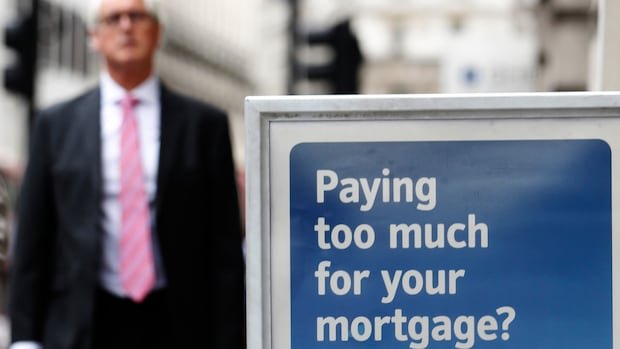
Licensed mortgage broker and expert commentator Leah Zlatkin from LowestRates.ca concurs with the potential for a rate hike, suggesting it could mark the beginning of a rate increase cycle. The impact of rising rates on the real estate sector could be significant, affecting variable-rate mortgages, new fixed mortgage rates, buyer eligibility, and property prices.
Experts warn that the real estate market, currently at a 25-year low in terms of home sales volume, could face further challenges if interest rates rise. Economic uncertainties, including the Canada-U.S. trade war and the influence of AI on employment, have contributed to weak buyer confidence. Analysts predict a possible gradual decline in home prices over the coming months if interest rates do rise.
The Canadian Real Estate Association recently revised its 2026 home sales forecast downwards for the third consecutive quarter, citing the Bank of Canada’s more hawkish stance. Amidst declining prices in key markets like Toronto, prospective buyers are advised to consider purchasing now before potential further decreases, with the caveat that qualifying for a property today could still be feasible even if rates increase in the future.

