
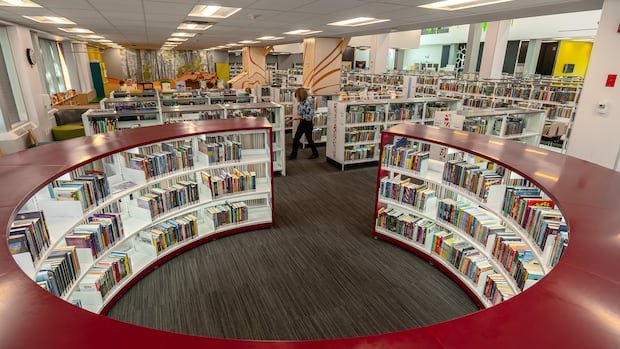
Less than five months remain for libraries in Alberta to meet new restrictions on their collections. Librarians are concerned about the workload and costs associated with compliance. The regulations, stemming from Bill 28, mandate that public libraries in Alberta limit access to materials containing visual depictions of sexual acts. Anyone under 15 years old will need parental permission to use or borrow these restricted materials.
Libraries must identify, store, and regulate access to restricted materials by January 1. Lesley Moody, manager at Olds Municipal Library, highlighted the complexity of the task, especially with a vast graphic novel collection requiring meticulous review. Moody estimated that reviewing their graphic novels alone would take 600 labor hours, costing around $15,000.
The expenses for assessing DVDs, video games, and other image-containing materials, along with purchasing new shelving units and adjusting library policies, further escalate the financial burden. Moody expressed confidence in her staff’s capacity to review the collection without closing to the public, unlike smaller libraries that might face closure during compliance.
The province plans to issue guidelines this month to assist libraries in adapting to Bill 28. Ron Sheppard from the Parkland Regional Library System seeks clarity on whether educational and historical materials will be affected. He also questions if libraries can utilize existing ratings systems for films and video games instead of manually inspecting entire collections.
Jack Alarie from Alberta’s Municipal Affairs ministry clarified that Bill 28 aims to control access, not censor content. Ken Feser from the Medicine Hat Public Library expressed concerns that the restrictions could make some materials less visible to the public, potentially leading to their disappearance. He criticized the move as akin to burying books, raising worries about the impact on library operations and public access to diverse materials.
The expanded scope for inspectors under Bill 28 has raised concerns among library managers about potential interference with local decision-making. Kelsey Chic, library manager at Carmangay and District Municipal Library, emphasized the importance of community-driven library curation. She believes that local libraries should retain autonomy in serving their communities and expressed concerns about centralized oversight impacting their ability to cater to local needs effectively.
James Turk from the Centre for Free Expression at Toronto Metropolitan University suggested that the restrictions in Alberta could set a precedent for similar regulations across Canada. He recommended a constitutional challenge against the limitations, arguing that they infringe upon freedom of expression rights for young library users. Turk highlighted the nationwide interest in how Alberta’s libraries respond to the restrictions, with implications for libraries across the country.

