
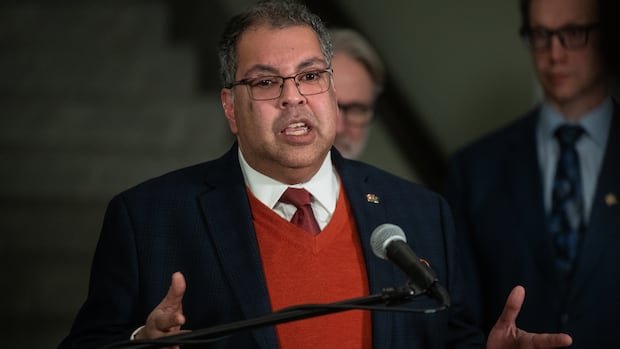
Alberta’s Opposition leader has expressed concerns about holding a referendum on separating from Canada amidst ongoing trade tensions with the United States. NDP Leader Naheed Nenshi has urged Premier Danielle Smith to either cancel or delay the referendum, citing the need for national unity during the trade war.
Scheduled for October 19, the provincial referendum in Alberta includes a question on initiating the legal process for a future vote on separation from Canada. Nenshi emphasized the importance of projecting a united front as Canada retaliates against the U.S.’s import tariffs on Canadian goods.
In response to Nenshi’s remarks, Smith defended the referendum, pointing to the significant public support it has garnered through petitions. She highlighted the citizens’ demand for clarity on the issue as the driving force behind the referendum, which she stated will proceed as scheduled.
Meanwhile, Parti Quebecois Leader Paul St-Pierre Plamondon recently indicated that his party would postpone a Quebec separation referendum until the end of U.S. President Donald Trump’s term, citing concerns over the administration’s impact on the process.
The Alberta NDP has criticized Smith for allegedly using the separatist vote to appease hardline factions within her party rather than addressing the genuine concerns of Albertans. Nenshi drew a comparison with Quebec’s longstanding separatist history, questioning Smith’s approach to the issue.
Ahead of the referendum, advocacy campaigns from both sides have intensified, with prominent figures like former premiers Rachel Notley and Jason Kenney co-chairing efforts to promote Alberta’s continued membership in Canada. Despite their political differences, Notley and Kenney have united in advocating for Alberta’s Confederation status.
The debate surrounding the referendum reflects the broader discussions on national unity and separatism in Canada, underscoring the complex dynamics at play in the country’s political landscape.

