
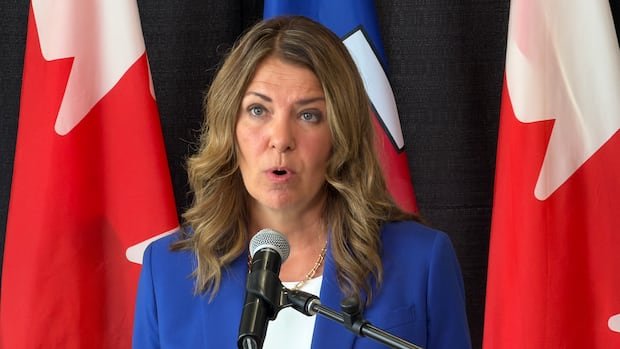
Alberta Premier Danielle Smith emphasized the importance of diplomatic efforts to address the escalating trade war with the United States. Smith stressed the need for Canadian officials to engage with U.S. lawmakers and citizens to convey the negative impacts of the trade conflict on both nations.
During a press conference in Grande Prairie, Alberta, Smith urged for a strategic approach, highlighting the significance of maintaining friendly and cooperative relations to influence the U.S. administration’s tariff policies. She emphasized the necessity of garnering support from American governors, members of Congress, and the public to sway President Donald Trump’s administration.
Smith rejected suggestions to use Canadian oil and gas as leverage in the trade war, cautioning against potential repercussions such as increased gas prices in Eastern Canada. She warned that imposing counter-tariffs on oil could lead to adverse economic consequences, affecting job losses and fuel shortages.
Additionally, Smith called for a focus on eliminating internal trade barriers within Canada. She urged for swift approval of a new bitumen pipeline to the West Coast and proposed taxation changes to encourage investment in the country. Smith also emphasized the need for equal pricing of Canadian-made alcohol products across all provinces to promote fair trade practices.
In response to the trade dispute, Smith announced the formation of a tariffs cabinet committee to assess the province’s response to the new tariffs. The committee, co-chaired by Finance Minister Jason Nixon and Jobs, Economy, Trade, and Immigration Minister Joseph Schow, will engage with businesses through an online portal for feedback and establish a business advisory committee.
Political analysts noted Smith’s efforts to align her stance with national interests, emphasizing the potential economic harm to Canada if oil becomes a bargaining chip in the trade negotiations. Smith reiterated her commitment to addressing the trade war through diplomatic channels and urged the federal government to resume negotiations with the U.S. before implementing retaliatory tariffs on American goods.

