
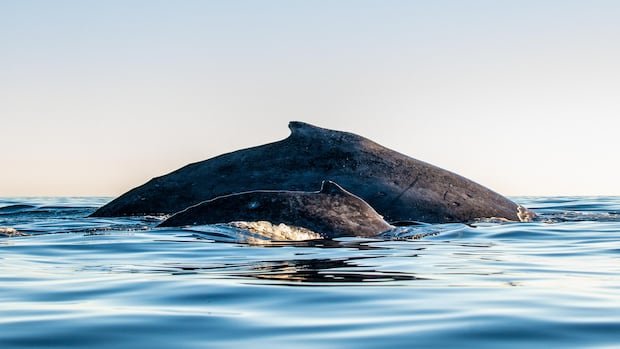
Canada is a prime location for whale-watching, with 35 different whale species, including baleen and toothed whales, frequenting its waters. Summer is the peak season for whale-watching in coastal communities across the country, from Newfoundland to Vancouver Island.
As temperatures rise, whales, dolphins, and porpoises migrate to Canadian waters in search of food, providing excellent opportunities for whale-watching tours. However, not all tours are equal, and the best experiences offer more than just a boat ride – they provide educational and meaningful encounters led by knowledgeable local guides.
Nicole Leavitt, a senior marine biologist at Island Quest Marine in Saint Andrew’s, emphasizes the importance of education in fostering appreciation for whales. Guides often double as citizen scientists, contributing to ongoing research on marine life and playing a vital role in monitoring the well-being of whales in their communities.
In addition to supporting marine research, reputable tour operators adhere to strict codes of conduct to ensure the safety and well-being of the animals. It is essential to choose operators committed to responsible whale-watching practices, such as maintaining a safe distance from whales and minimizing disruptions to their natural behavior.
For those eager to embark on a whale-watching adventure, local experts from top Canadian spots share insights into what makes each location unique. From the North Atlantic Ocean to the Salish Sea, each region offers distinct opportunities to connect with these majestic creatures and the passionate individuals dedicated to their conservation.
In the North Atlantic Ocean, Newfoundland and Labrador stand out as a premier whale-watching destination, hosting the largest population of humpback whales during the summer months. Tourists can witness a variety of whale species feeding along the coast, including sperm whales, finback whales, minke whales, and orcas.
The Bay of Fundy, known for its dramatic tides, also attracts migratory whales in the summer. From June to October, visitors can spot minke whales, finback whales, humpbacks, and North Atlantic right whales in the nutrient-rich waters off Saint Andrews, New Brunswick.
In the St. Lawrence River and Seaway, belugas and blue whales gather to feed between May and October, offering a unique whale-watching experience. Tours departing from Tadoussac or Les Bergeronnes provide opportunities to observe a diverse range of marine wildlife in the protected waters of the marine park.
The Salish Sea, nestled between Vancouver Island and the mainland, is a hidden gem for whale-watching in British Columbia. From March to October, visitors can encounter resident orcas, humpbacks, grey whales, and other marine mammals while enjoying the stunning coastal scenery.
Lastly, Hudson’s Bay in Manitoba is renowned as the beluga capital of the world, with thousands of belugas congregating in the Churchill River during the summer. Tours starting from Churchill offer unforgettable encounters with these “canaries of the sea” along with sightings of other Arctic wildlife.
Whether you choose to explore the East Coast, the West Coast, or the diverse marine ecosystems in between, Canada offers a wealth of opportunities to witness these magnificent creatures in their natural habitats. Book a tour with a reputable operator to ensure a safe, educational, and unforgettable whale-watching experience.

