
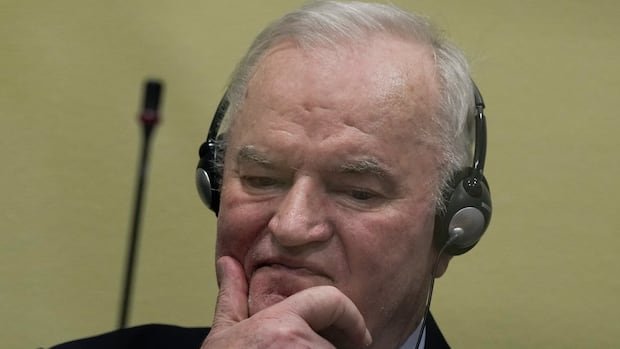
Ratko Mladic, the man found guilty of genocide for masterminding the 1995 massacre that claimed the lives of over 8,000 Muslims in the most horrific incident in Europe since World War II, has passed away.
According to his lawyer, Dragan Ivetic, Mladic died while in UN custody on Thursday, with the cause of death not disclosed. In his final months, the former general was hospitalized at the UN detention center in a suburb of The Hague.
The brutal events in Srebrenica marked the climax of a conflict that lasted more than three years, during which Mladic relentlessly bombarded the besieged Sarajevo with heavy artillery, tanks, and mortars, resulting in the deaths of 10,000 individuals.
The victims of the Srebrenica massacre were hastily buried in mass graves over a four-day period in July 1995, with some remains later moved to remote areas to conceal the evidence of the atrocities committed.
The United Nations International Criminal Tribunal for the former Yugoslavia (ICTY) determined that the objective behind these actions was “ethnic cleansing,” aimed at forcibly removing Bosnian Muslims, Croats, and other non-Serbs to establish a Greater Serbia.
Mladic, along with Serbian President Slobodan Milosevic and Bosnian Serb political leader Radovan Karadzic, were implicated in a criminal conspiracy to carry out this scheme, as per the tribunal’s findings.
Referring to the ICTY as illegitimate, Mladic, known as the “Butcher of Bosnia,” dismissed the court during his 2014 hearing. Following his sentencing to life imprisonment in 2017, he vehemently proclaimed the verdict as false.
Mladic and Karadzic, both convicted of genocide, were long sought after by the ICTY until Western powers intervened to end the conflict. Only after Milosevic’s ousting in 2000 did Mladic live discreetly in Belgrade.
Mladic’s military tactics were marked by extreme brutality, with prisoners subjected to inhumane treatment including starvation, rape, and execution. Munira Subasic, who lost family members in the conflict, described Mladic as a symbol of the war’s atrocities against Muslims.
The siege of Srebrenica, a designated “safe area,” saw Mladic’s forces capture Dutch UN peacekeepers as shields against NATO airstrikes. Eventually pressured to step down in 1996, Mladic’s legacy of violence continued to haunt the region.
Born in 1943, Mladic served in the Yugoslav People’s Army before leading the Bosnian Serb army during the Yugoslav Wars. Despite his eventual capture in 2011, his health had deteriorated significantly, leading to multiple failed appeals for release on compassionate grounds.

