
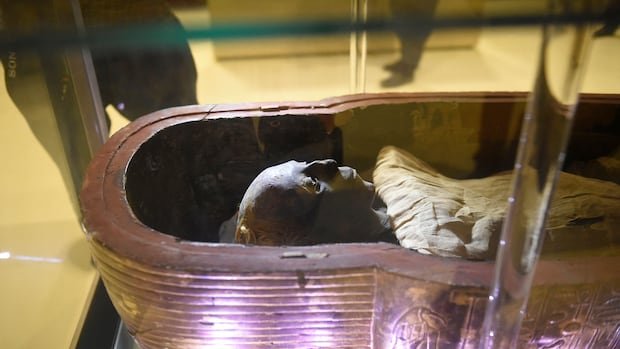
A recent study has shed light on the global online market for preserved human remains, a niche interest that experts warn could pose health risks. Lead author Kirsty Squires and her team examined 128 web posts showcasing or advertising human and animal remains for sale between 2015 and 2025.
According to Squires, mummified heads, hands, and feet were commonly featured in the online posts. These preserved body parts may contain dormant microorganisms like bacteria, fungi, and yeast, which could potentially lead to health issues if not handled properly. While some experts downplay the concerns, emphasizing that knowledgeable collectors face minimal risks, the researchers urge caution.
Improper storage conditions, as observed in online images, can accelerate the deterioration of remains. Unlike in museums where mummies are stored under controlled temperature and humidity, individuals storing remains in homes or garages lack such regulated environments. This could result in the release of hidden fungal spores or bacteria, posing health risks to individuals, especially those with compromised immune systems.
Additionally, some mummified body parts may harbor toxic chemicals like arsenic and mercury from past embalming practices. Though the study does not cite specific cases of illness from handling online-sold remains, historical incidents, such as the deaths of conservation scientists exposed to mold spores in tombs, underscore the potential dangers.
While concerns about health risks persist, Professor James Scott from the Dalla Lana School of Public Health in Toronto emphasizes the ethical dilemmas associated with the trade in human remains. The study also highlights the prevalence of such trade in Canada, where regulations on selling and buying human remains are lacking.
Efforts to regulate the online sale of human remains are underway in some countries, with calls for similar legislation in Canada. As the debate continues, the ethical implications of commodifying human remains remain a focal point for researchers and policymakers alike.

